
 EN
EN
 Build a stronger, more competitive product with our value.
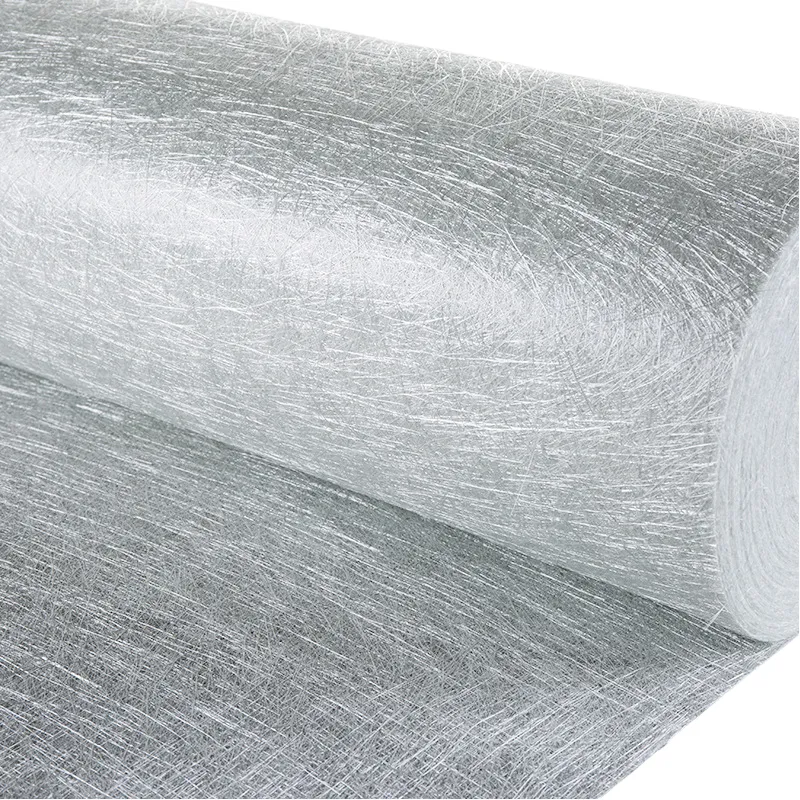
Unsaturated resin for chopped strand mats is one of the biggest challenges faced by composite users, especially for those using spun mats, as it affects the quality of the end product as well as production efficiency.
Stating that the chopped strand mats is a versatile and highly applicable product in industries such as building materials, chemical equipment, transportation, and the like is an understatement. Mats will serve the user effectively while keeping the user’s budget intact.
Dry areas and uneven fiber wetting leads to a big complaint. A building materials producer said delays in project delivery occurred due to inconsistency in strength of precast components. Root causes of the inefficiencies in the project delivery tended to involve the application of the resin, such as technique and likelihood of the resin to be too viscous. The mat’s fiber network is not penetrated by resins that are too viscous due to the application of the resin too quickly, as it results in the resin pooling on the surface of the mat.
One of the things to address is the viscosity of the resin; try to lower it to fill the mat's thickness – less viscous resin will penetrate thicker mats easily. With a brush or roller, apply resin in thin layers one at a time, fully wetting the mat before adding the next layer. Industry best practice suggests letting the resin sit for one to two minutes to allow it to fill the voids in the fiber before adding more, to reduce the chance of runoff.
Build Up of Air Bubbles
The presence of air bubbles in the composite can reduce the strength of the composite's structure and ruin the aesthetics of the surface. The surfaces of the composite can be finished and used for decoration, but are also fragile enough to get damaged, or even fall off. A chemical field client had issues with this while making tanks for the corrosion resistant field: bubbles created channels that let the chemicals escape. The reason for this is a combination of rolling, quick adding of the resin, and humidity in the mat. When the resin cures, the moisture in the mat combines with the resin and makes bubbles.
To avoid bubbles, first, focus on correct storage. Mats should be stored in a dry and ventilated area to avoid moisture contamination. Use serrated roller during application, and gently press the mat to remove air pockets without damaging the fibers. Rolling on the resin should be done evenly and slowly to avoid trapping air.
Interlaminar Bonding
Delamination is a critical issue in load-bearing parts, such as the chopped strand mat patrons. One of our customers in the transportation sector experienced panel delamination within a few months of use, and it turned out to be a major engineering issue. This problem is often the result of surface contamination. As an example, insufficient curing of the resin also result from the low temperature and time of the process. Dust, oils, and release agents on the top of the mat form a contamination layer, which in turn, result in delamination.
To improve interlaminar bonding, use a lint-free cloth to clean the mat surface before lamination. Stay away from strong solvents that can ruin the mat fibers. Keep the curing environment at a constant temperature within the range recommended by the resin manufacturer (for standard polyester resins, it is 18-25 °C). Cure the resin according to industry guidelines. Sufficient post-cure time (24-48 hours) significantly increases the strength of the bond.
Loose Cutting Edges
After cutting the mat, loose fibers can cause uneven layups and compromise quality. This is the problem that a maker of composite kayaks for the leisure sports industry encountered. Loose fibers created rough surfaces that required extensive sanding. Fibers that were not cleanly cut and were not pulled were the result of cuting tools that were too blunt or the cuting method being too rough.
This problem can be eliminated by using sharp cutting tools like rotary cutters or composite scissors. Be sure to cut the mat on a flat hard surface to stop fiber displacement, and use light pressure to ease the cut. For large operations, leading fiberglass material specialists recommend using automated cutting systems to obtain clean, even edges.