 Build a stronger, more competitive product with our value.
Build a stronger, more competitive product with our value.
Build a stronger, more competitive product with our value.
Build a stronger, more competitive product with our value.
Build a stronger, more competitive product with our value.
Build a stronger, more competitive product with our value.
Build a stronger, more competitive product with our value.
Build a stronger, more competitive product with our value.
Build a stronger, more competitive product with our value.
Build a stronger, more competitive product with our value.
Build a stronger, more competitive product with our value.
Build a stronger, more competitive product with our value.
Build a stronger, more competitive product with our value.
Build a stronger, more competitive product with our value.
Build a stronger, more competitive product with our value.
Build a stronger, more competitive product with our value.
Build a stronger, more competitive product with our value.
Build a stronger, more competitive product with our value.
Build a stronger, more competitive product with our value.

Tex is the unit of measurement in grams for 1000 meters of fiberglass yarn; each measurement represents the fineness of the fiberglass. Composite products with Tex values that are finetuned are favored in aerospace because of the strength-to-weight ratio, and in construction materials, because of the consistent structural integrity. To buyers, Tex accuracy is not only about meeting the criteria; it's about product reliabiity and not dealing with expensive production problems later. Tex is rhe only unit that can easily be used to measure fiber thickness in comparison of all the batches and suppliers, and this is why it is so highligh regarded.
Getting accurate results requires investigation beforehand and getting the tools to do the job. To do the job, you need a precision balance that measures in increments of at least 0.01 grams, something to measure the length of the samples such as a yarn frame or a laser measuring device, a pair of scissors, and clean storage containers to avoid contamination of the samples. Next, representative samples need to be selected. Samples should be taken at random from various locations in the packaging, such as the top, middle, and bottom, so that you can account for any differences. Do not take samples from the outer layers, as they can be damaged or stretched from the shipping. In the case of bulk orders, you should try to take at least three samples from each of the batches to be able to statistically verify.
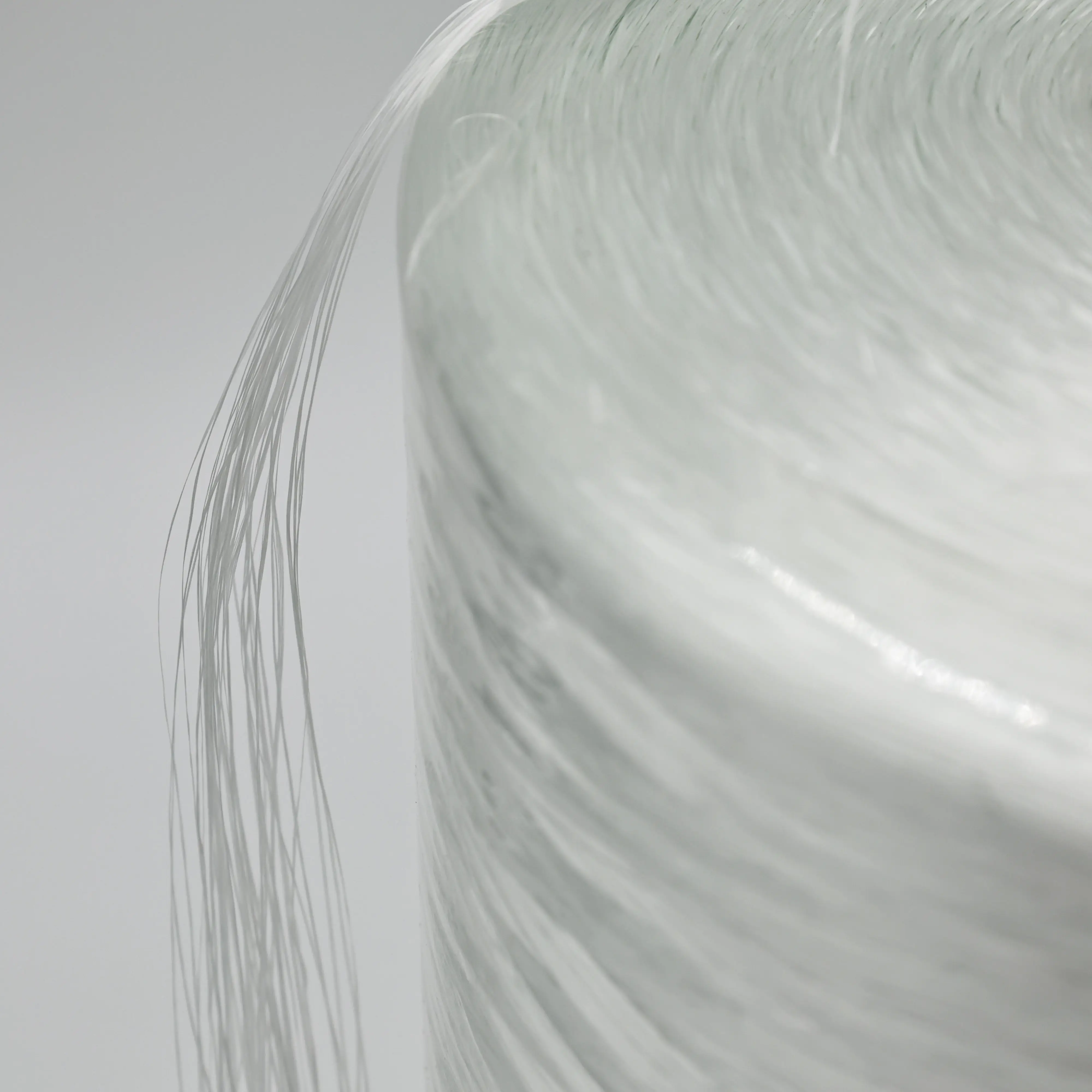
A procedure to evaluate fiberglass samples begins by measuring out a sample length measuring 1000m. This is done by a measuring device when a yarn pull is tight without being stretched. Pulling yarn too tightly can lead to results that tangle or bias measurements. Next, the fiberglass sample is balanced in a calibrated scale, ensuring that the sample is neither too dirty or too clean. In weighing the samples, one must notice the Tex value that results in a number being registered. Each sample selected is done multiple times to get an average. This average can be then be assessed by the Tex ranges validated by the supplier. A Tex value average differential equal to 3% is adequate, anything above that would be a cause for deviation and flag inconsistent quality and intruding values. Measurements must be recorded in a reference sample to document and track location, date, and results of the measurements.
Tex verification can be affected by a number of mistakes. Ignoring balance calibration is one of the most common mistakes. Even a slight shift in the calibration of a balance can lead to a big effect. Improper handliNg of the sample is also a problem. For example, barehanded touching of the fiberglass can cause moisture and oils to be transferred and increase the weight of the sample. All tools and containers to be used should be dry and clean. In addition, avoid measuring in unclean dusty and very humid environment. Such conditions can influence the weight and length of the fiber. Do not be in a hurry. Always take your time to obtain a good and precise weight, the data would be more reliable.
After the verification is done, look at the results and compare them with the common practices within the industry and the supplier’s criteria. When the Tex is within an agreed value, the product qualifies on the most fundamental quality of fineness. If this is not the case, the first step is to confirm that you conducted the testing correctly, and you should conduct the test again, this time on new samples. If the same issue is present, the next step is to reach out to the supplier and explain the situation. It is important to present the supplier with formal test results and samples, and it is likely that reputable suppliers will assist you with the issue at hand, whether that is a replacement, reimbursement, or adjusting future orders. If the products require specific regulations such as those for the aerospace industry or for reactive chemicals, it can be beneficial to source the results and regulations from a third party to validate the results and the adherence to regulations.
Quality control systems are designed to account for more than one-time Tex accuracy checks. Develop consistent Tex testing procedures for each batch of fiberglass received; train employees with regards to optimal measurement and sampling procedures. Track and document testing results to monitor supply history and identify low-performing suppliers and/or batches over time. Keep and send suppliers updated on your quality expectations and certifications requested for Tex values during shipment. Incorporating Tex accuracy checks along quality control procedures allows you to provide steady product performance to your clientele.

 EN
EN