
 EN
EN
 Build a stronger, more competitive product with our value.
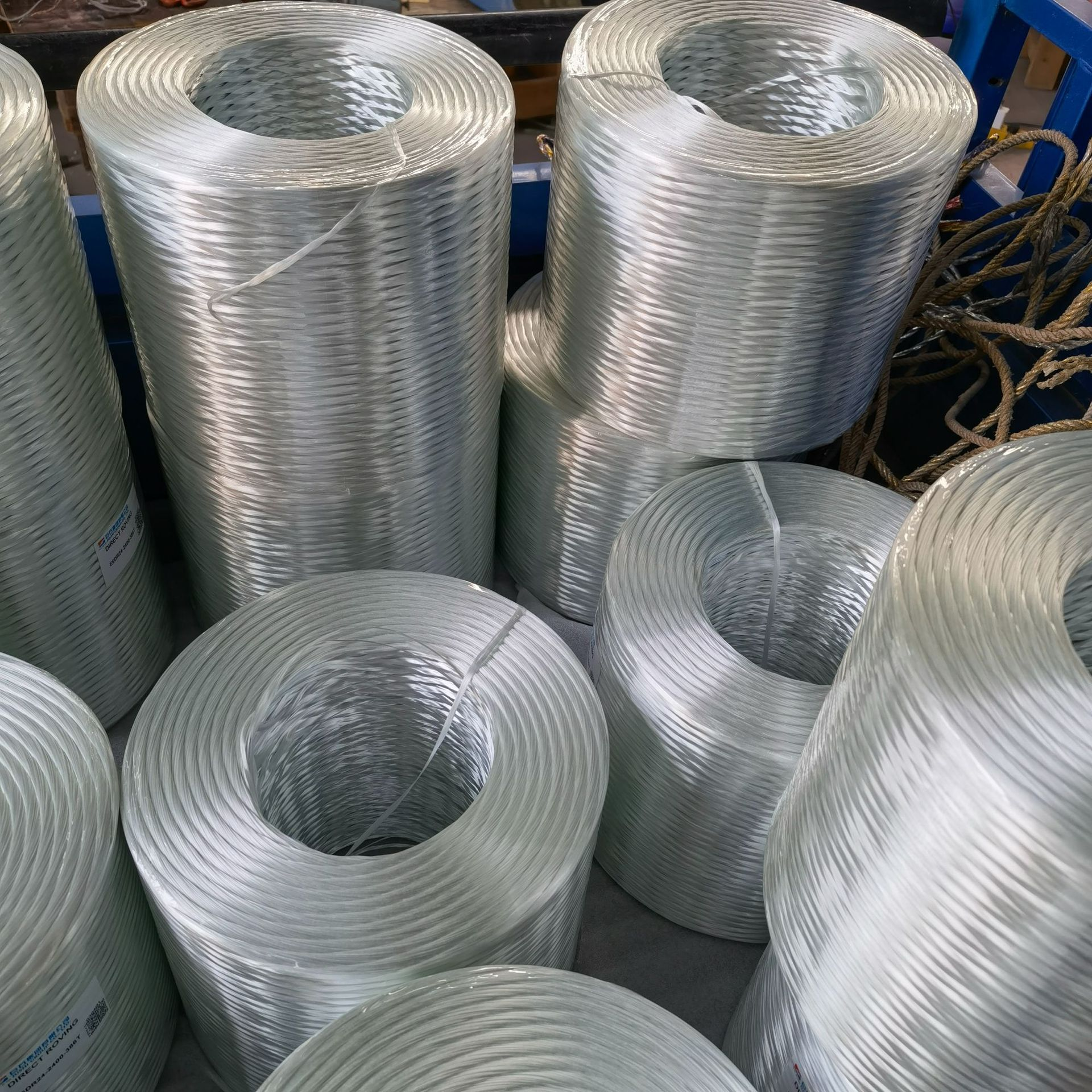
Exceptional Performance in Corrosion Resistance
Vinyl-coated fiberglass-reinforced plastic (FRP) is a good candidate for marine and water applications because of its corrosion resistance. In the marine and water industries, traditional materials such as steel and aluminum rust and degrade once exposed to saltwater, freshwater, or any chemical present in water. The vinyl coating serves as a barrier to moisture and chemical reactions, preventing breakdown. The defensive capabilities of the vinyl coating are also structural. The fusion of high-performing fiberglass and vinyl makes a structural product that can withstand prolonged immersion without weakening or losing its whole structural integrity. In coastal areas, where people constantly experience water sprays and tidal exposure, this specific product eliminates the burdens of frequent maintenance and replacement. For this reason, it can be a perfectly adequate solution for boat hulls, dock pilings, and water treatment facilities.
Enhanced Operational Efficiency With Vinyl Coated Fibreglass Reinforced Plastics (FRP) in Marine and Water Applications
Fiberglass Reinforced Plastics (FRP) vinyl coating provides a very effective weight to strength ratio. Fiberglass xF15F02 also is known to be lightweight and at the same time very strong. The vinyl coating adds to this structure without a significant weight increase and this trait is very important since most marine applications need to consider weight for performance. This is why boat manufacturers like to use vinyl coated fiberglass reinforced plastics (FRP). Less weight means improved fuel consumption and better control when steering the boat while is also provides the structural rigidity required for choppy water. In water treatment plants Vinyl coated Fiberglass Reinforced Plastics (FRP) make handling and installing lightweight components easier and less time consuming. This reduces the costs associated with the project. FRP also provides flexibility with increased design options as compared to the more traditional materials of concrete and metal. This trait enhances the versatility of Fiberglass Reinforced Plastics (FRP) to be used in complex water systems.
Design Flexibility Meets Diverse Application Needs
Vinyl-coated FRP provides unrivaled design flexibility. Fibreglass can be molded into almost any shape. Vinyl-coated fibreglass can fit everything from contoured boat decks to complex piping systems. This versatility allows producers to design components to meet specific spatial and functional needs. For example, in offshore oil platforms, FRP gratings with vinyl coatings can be custom engineered to endure significant foot traffic and resist corrosion from oil and saltwater. For freshwater applications like swimming pools and water storage tanks, the material can be worked into smooth, sealed surfaces which block algae and make cleaning easier. Vinyl-coated FRP can be customized in thickness to make it adaptable to a variety of aquatic environments, from harsh offshore conditions to calm lakes.
Cost-Effectiveness Over the Long Term
Choosing vinyl coated Fiberglass Reinforced Plastic over more traditional building materials can lead to long term cost savings in building marine and water treatment facilities. Increased up front building costs are quickly offset by reduced facility building costs with vinyl coated Fiberglass Reinforced Plastic (FRP). Vinyl coated FRP materials lead to minimal facility maintenance costs over the long operational life of the facilities built with them. Vinyl coated FRP materials maintains its protective coating and does not require any treatments like steel, which requires repeated and costly painting or galvanizing to prevent rust. Additionally, since FRP is lightweight, costs are reduced for both transportation and installation. This is because less resources are required to move and install the parts. In numerous water treatment facilities, and as a consequence of using vinyl coated FRP, annual maintenance costs decreased by 40% and the life of the entire piping system was extended by 25 years. In marine applications, this leads to less downtime and reduced costs for replacements improving profitability.
Adherence to Industry Standards and Safety Regulations
Vinyl coated FRP fulfills applicable safety and reliability standards for marine and freshwater applications. Manufacturers use reputable sources for the American Society for Testing and Materials (ASTM) and International Maritime Organization (IMO) guidelines to derive standards for the use of various materials within the water. In accordance with safety standards, the materials are not harmful to proper functioning and unharmed use of potable water systems and water life. The vinyl coating does not contain antimony that would deteriorate water quality and threaten and jeopardize water life and the safety of consumers. Further, the FRP option is ecologically preferred due to the fewer resources and energy required for its production in comparison to steel and concrete. Leading industry specialists consider the vinyl coated FRP option to meet the guidelines for the use of materials within water and regulation for the preservation of the ecology. Therefore, it is reliable for projects with restricted ecological footprints.
Success Stories Proving Performance
The specific use cases and customer reports continue to highlight why FRP with a vinyl coating gets the most customer preference in the marine and water applications. A vinyl coating FRP customer operating in the marina has upgraded wooden dock pilings to vinyl FRP and in that reported period had 60% less maintenance time in the 5 years to the wooden dock pilings with none rotting or corroding in the constant salt water. One more customer with FRP vinyl coated tanks in water treatment, had to complete less annual corrosion assurance inspections and saved time and money because of it. Vendors of fiberglass solutions with performance stated that customers, in use cases with water, report the most on the reliability and long lasting nature of materials provided. Together with the technical expertise, these use cases prove that vinyl coated FRP stands true to the performance, cost benefit, and eco-friendly assertions.
Table of Contents
- Exceptional Performance in Corrosion Resistance
- Enhanced Operational Efficiency With Vinyl Coated Fibreglass Reinforced Plastics (FRP) in Marine and Water Applications
- Design Flexibility Meets Diverse Application Needs
- Cost-Effectiveness Over the Long Term
- Adherence to Industry Standards and Safety Regulations
- Success Stories Proving Performance