
 EN
EN
 Build a stronger, more competitive product with our value.
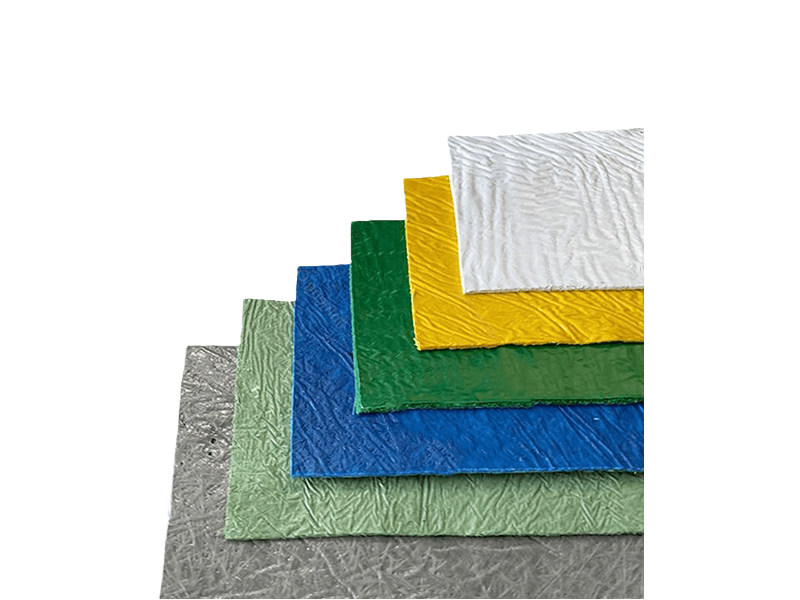
SMC's Recognition in Mass Production of FRP
Car bumpers, electrical enclosures, and other mass-produced fiberglass-reinforced plastic (FRP) items often use Sheet Molding Compound (SMC). This is because it is designed for mass production and can easily scale manufacturing. Traditional hand-layup FRP methods struggle with consistency. However, SMC is equipped with the technology needed to produce quality parts in significant volumes. This is why it is used in various industries in Europe and North America. Now we will explain why SMC is the best option for mass production with industry insights and performance data.
Why SMC is Best for Mass Production
The primary reason SMC is ideal for mass production, is because of the speed of production and ease of molding. Traditional hand-layup methods require the manual application of fiberglass and resin, which is a slow process that is prone to human error. Instead, SMC uses closed-mold compression technology, which means that pre-mixed SMC sheets are placed into the mold and after the machine creates the mold, the SMC mixture is pressed in.
Data in the industry confirms that this method can shorten production time by 60% in comparison to hand-layup. For example, one SMC mold can manufacture hundreds of the same parts every day, even if the parts are intricate, like the car door panels and the boards used for electrical insulation. Additionally, because the process is automated, it is not subjective to the skill of the individual worker. This is crucial to the continued demand for this in the European and North American automotive and electronics manufacturing.
Because of the SMC, the manufacturing of other FRP (Fiber Reinforced Plastics) materials, can create consistent quality for each individual unit. When mass production is not efficient, SMX closed mold production process is trapping the materials tightly. This results in fewer air bubbles in their FRP parts. As stated by the Society of the Plastics Industry (SPI) quuo, 'SMC parts have less than 1% variation in strength and thickness. This is compared to the 5-8% variation that FRP manually laid. '
Consistency is crucial, for example in the automotive industry, if they required 10,000 bumper brackets to be produced, they would all have to be the same, or else, the production line would come to a stop. SMX also has a longer shelf life compared to other FRP materials like BMC (Bulk Molding Compound). This enables manufacturers to keep SMC sheets stocked without worrying about the sheets degrading. This results in the production line continuing to run seamlessly.
Material Performance: How SMC Meets the Demands of Every Industry
SMC has a reputation as being the toughest and most resilient of the available options for a variety of industrial FRP requirements. SMC continues to be used and inspired innovations for composite materials because of the weight saving possibilities, exceptional electrical insulative properties, and the corrosion and heat resistance materials used to develop finished goods.
SMC is used for making insulative boards in the electrical industry because of the unique dielectric characteristics at high and low frequencies where no other metallic materials or standard plastics can compete. Additionally, and of great importance in the automotive industry, SMC is 40% lighter than steel and therefore fuel savings can be realized, particularly during the European and North American fuel crises. SMC’s unique properties of chemical and corrosion resistance surpasses any other materials and gives SMC a unique push to customers needing good service at low cost in chemical processing plants.
Cost Saving Benefits of SMC are the Smart Business for the Budgets of any Customers
In the mass production processes of any industry there needs to be the required optimization and balance of cost and quality. First, in elements of design and process engineering, the cost of creating the SMC mold is 50-60% less expensive than creating the metal stamping molds and forms. Process efficiency and and production savings are then realized in the reduction of excess work-in-process, which in SMC manufacturing there is no excess resins and fiberglass scraps, which is a typical characteristic of metal production from the alternative materials such as the high end coated resins that are used.
Let's consider the long-term savings. Since fewer replacements are needed for durable SMC parts, savings can be realized. Consider how a European truck manufacturer revealed 25% maintenance cost savings after switching to SMC front bumpers—rusting and denting were eliminated.
Where SMC truly shines
SMC as a valuable resource and how it has gained popularity in industries and what the data supports in real-life applications can be broken down into a couple of major sectors for analysis.
Automotive: SMC is a major supplier to the North American and European automotive industries for body parts such as hoods and bumpers, and supplies battery enclosures for electric vehicles. The battery enclosures are a big win—SMC’s insulation and lightweight design keep batteries secure and improve the driving distance of the EV.
Electronics: In Europe, SMC is the material of choice for meter boxes and electrical enclosures. SMC’s insulation qualities help to prevent short circuits. SMC’s design flexibility means it is easily manufactured to suit size specifications of components without requiring modifications.
According to the current data available for the industry, it is an understatement to say these are exceptional examples of SMC’s utilization across the industry. Reports indicate that SMC comprises 35% of the total mass produced FRP components in the automotive industry.
Environmental Compliance: Meeting Standards of the European Union and North America
Businesses in Europe and North America are interested in sustainability, and SMC samples smoothly in this area as well. Closed-mold processes release low amounts of styrene gas (a common pollutant in FRP) well below OSHA’s 50 ppm limit. Unlike hand-layup, the process produces no cleaning tool waste water, and SMC waste is recylable into new compounds.
For companies selling in the EU (which has some of the world’s most stringent environmental regulations) and North America, this compliance is unavoidable. SMC enables them to meet environmental standards and gives them the same speed and quality of production.
Conclusion: Why SMC is Still One of the Most Preferred Choices in FRP
Ultimately, SMC’s mass-produced FRP is one of the most popular in the market simply because it is one of the best - fast, consistent, durable, cost-effective, and most importantly, eco-friendly. For manufacturers looking to scale up FRP production - whether it be cars, electronics, industrial parts, or any other mass production, SMC is without a doubt the best and most reliable option.
With the constant growth in demand for lightweight, high-performance, and most importantly, top quality FRP parts in the European and North American markets, SMC will continue to lead. FRP parts are not just materials, they are solutions that the modern mass production industry is looking for.
Table of Contents
- SMC's Recognition in Mass Production of FRP
- Why SMC is Best for Mass Production
- Material Performance: How SMC Meets the Demands of Every Industry
- Cost Saving Benefits of SMC are the Smart Business for the Budgets of any Customers
- Where SMC truly shines
- Environmental Compliance: Meeting Standards of the European Union and North America
- Conclusion: Why SMC is Still One of the Most Preferred Choices in FRP