
 EN
EN
 Build a stronger, more competitive product with our value.
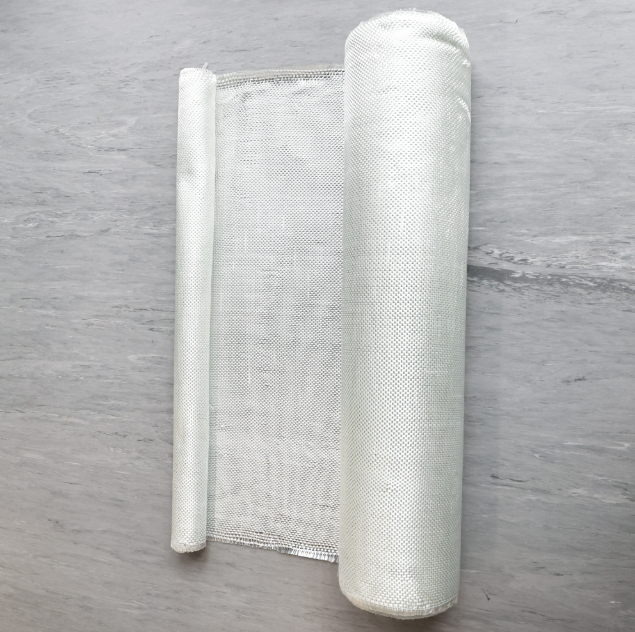
Woven Roving in Filament Winding
Woven Roving is one of the key materials used in the filament winding process. Filament winding is a composite manufacturing process used to produce hollow, lightweight, and high-strength components, including pipes, tanks, and pressure vessels. Woven Roving consists of interlaced glass fiber strands, which help to evenly distribute the stress in the final product. As a result, woven roving is a perfect choice in applications where exceptionally high mechanical performance is required. Woven Roving also is the only reinforcing material which combines the flexibility and rigidity needed to conform to the bending surfaces of a winding mandrel. Woven Roving's excellent structural properties have made it a versatile and dependable material for a wide range of applications in various fields including chemical processing and construction.
Key Functional Advantages of Woven Roving in Filament Winding
Woven roving offers lightweight and resilient woven roving finished components which provide a strength to weight ratio better when compared to traditional materials like steel in corrosion prone environments. Woven roving's ability to uniformly impregnate and bond the resin with the roving layers while winding acts to diminsh the likelihood of delamination and defect weak points. Woven roving's woven chemical resistance and electrical insulating materials are perfect for components in extreme electrical and chemical environments. Woven roving enhances the versatility, performance, and life span of filament wound components.
The steps for best results
The successful combination of woven roving into filament winding requires consideration for each step of the process. Starting from material prep, make sure woven roving is kept in a dry and clean place. Moisture absorption in the woven roving can adversely affect the strength of the bond. Next, choose a compatible resin system. Both epoxy and polyester resin systems work best with glass fiber woven roving and promote adhesion the best of all the systems. Be sure to evenly control the tension of the winding so that there is no breakage of the fibers, but also so that there are even and close layers.
Real World Application Case Study
A manufacturer of industrial pipes for the transport of chemicals faced challenges using conventional reinforcements due to the early wear and corrosion of the pipes. After switching to woven roving in their filament winding process, the manufacturer noted that the pipes had achieved 30% higher tensile strength and doubled the service life of the previous versions. The woven roving provided consistency in quality, thus reducing batch rejections and maintaining costs. Furthermore, woven roving did not require costly process changes as it adapted to the winding equipment the manufacturer already had. From this, we note that woven roving provides clear benefits in filament winding applications.
Choosing Your Grade Woven Roving
Getting your woven roving grades right optimizes the results of your filament winding process. Consider the intended environment of the end-use. If you are working on high-pressure applications such as pressure vessels, high-areal-weight woven roving optimizes the strength. If the end-uses are lightweight parts such as components in aerospace, then a lightweight grade will give you a good balance on performance and weight saving. Technical experts should be consulted to evaluate and balance the conflicting factors of resin type, performance, and winding machine, and requirements. Suppliers provide tailored recommendations based on years of experience, and you do not have to go for a grade that is without a real specific solution to your problem.
Adhering to Trends and Normative Regulations
There are current trends and unused standards in most industries that have woven roving in filament winding. Renewable energy and high-frequency communications are now also creating a need for advanced composite materials. Here, woven roving can be positioned in the front as it is able to enhance performance on composites by reducing weight. International composites shows are also prime examples of how woven roving is incorporated in advanced filament winding processes. Maintaining the international standards of glass fiber materials also helps in ensuring woven roving parts have the right regulations across various markets to provide them more economic value.
Practical Tips for Cost Effective Implementation
Increasing efficiency when using woven roving in filament winding doesn’t have to break the bank. First, use good bulk purchasing methods to obtain high quality materials at a good price. Second, improve the efficiency of the materials by using precise cutting and layout design to reduce wasted materials. Third, collaborate with suppliers who provide technical support. This will reduce the cost associated with trial and error and ensure that the processes are configured correctly from the beginning. Also, implementing good practices in the storage and handling of the materials avoids costly damage and degradation of the materials attributable to rework. Using these methods, manufacturers can use woven roving and still be cost effective.