
 EN
EN
 Build a stronger, more competitive product with our value.
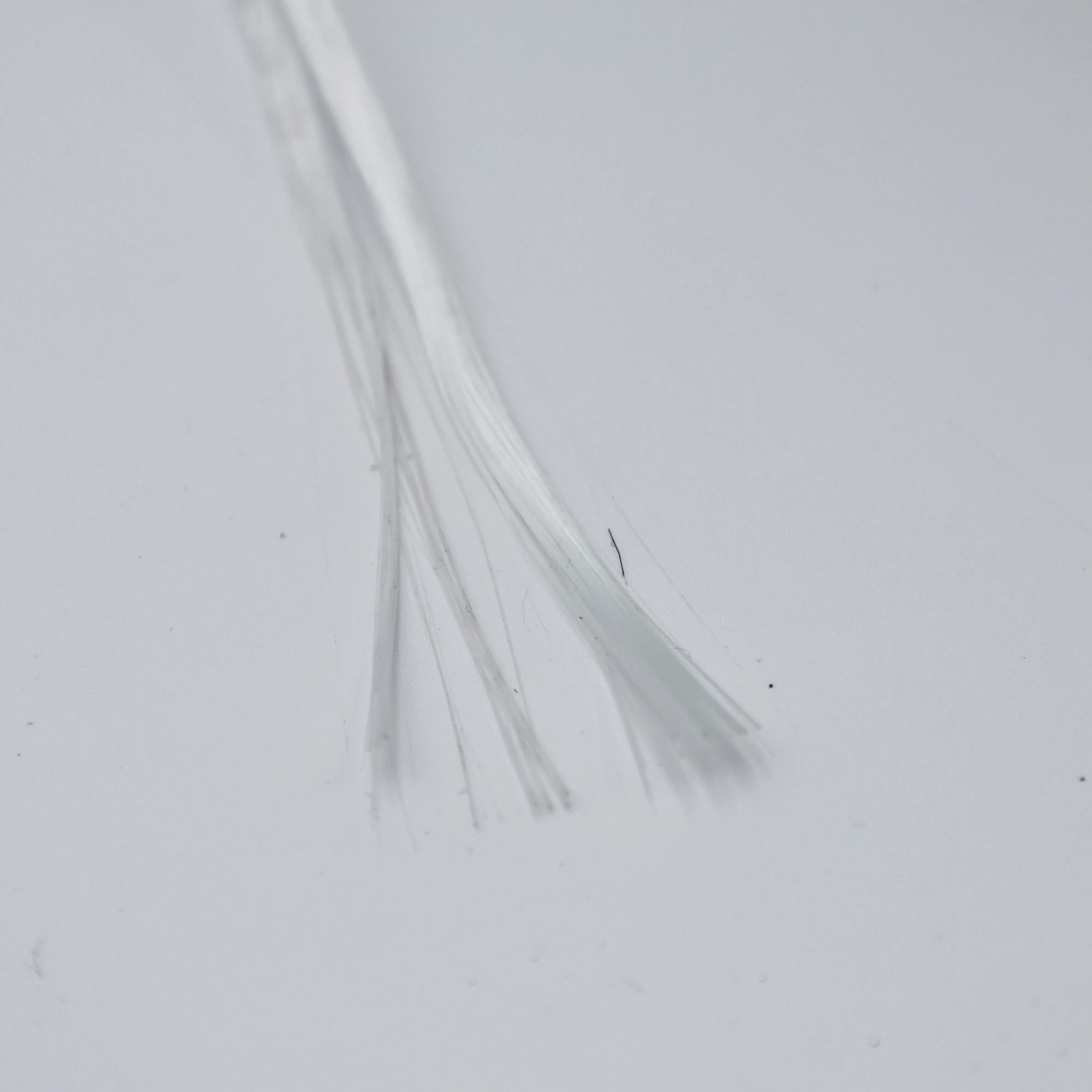
The Role of Tex in Woven Roving Performance
Tex measures the linear density of woven roving. It helps define the strength, flexibility and end-use applicability of woven roving. For example, in the manufacturing of wind turbine blades, a 2400tex count will provide the rigidity necessary for structural support in high wind conditions. An 800tex, on the other hand, is better for lightweight components, such as in automotive interiors.
From a technical perspective, selection of tex should be matched with the resin system. The China Glass Fiber Industry Association reports that mismatched tex and resin system can reduce the strength of the composites by 30 percent. Hence, the optimal selection of tex should be aimed for, rather than in order to satisfy a point of obligation.
Parameters to be Considered for Tex Selection
To start with, the end-use application is paramount. In marine engineering, for example, which involves a lot of corrosion resistance, a 1200-1600tex of medium tex range is a good balance so that the parts, which in this case are the hulls of the boats, can resist the corrosion of the salt water while still being lightweight.
Second, the weaving process compatibility matters. A senior production engineer with 15 years of experience says that a thread count too high for a loom's capacity means a lot of broken thread, and production is reduced by 15-20%. On the positive side, too little thread count can lead to loose weaves, affecting the consistency of the final product.
Third, the requirements of using the right mechanical properties must be acknowledged. For structural parts in aerospace, the higher the tex count (1800-2400 tex) for a given component, the higher the tensile strength, and that is an industry standard for parts of the aircraft composite components. The higher the counts, the better.
Real-World Case Studies: Tex Selection in Action
In a recent project for a construction company, a wrong tex choice caused issues for the team initially. The first team employed a 1000 tex woven roving for prefabricated concrete panels, but the panels did not exhibit enough load-bearing capacity. Upon switching to 1600 tex, the panels successfully passed all load tests and complied with the national building code standards. This case illustrates how tex is directly linked to product safety and compliance.Another example is in the automotive vertical. One of the manufacturers using 1200tex woven roving for battery casings realized that the casings were too heavy and negatively impacted the vehicle’s range. Based on the road vehicle weight optimization trends (now accepted in most regions for electric vehicles), they moved to 900tex (keeping the same strength through weave design), optimizing weight to 12% less and still protecting the battery.
Tips from Experts on Optimizing Tex Selection
For fibreglass associations worldwide, the consensus is to do the following in three steps. One, fully assess the mechanical and environmental requirements for the end product. Two, analyze the performance of 2-3 different tex counts using small scale production. Three, ensure that the loom operator and the material supplier are on the same page for streamlining the production process.
New trends and technologies also must not be ignored. Advanced AI systems in manufacturing are able to predict the optimal tex count based on resin type and end use, for example, to reduce the time spent on trials and errors by approximately 30%.
The Economic Value of Correct Tex Selection
Selecting appropriate tex counts has obvious economic advantages. For example, a leading industry research company reported that in selecting the correct tex, there is less material waste due to less rework and discarding of faulty products, which translates to an 8-12% gross savings. Also, selecting the correct tex keeps the customer happy as they are more likely to return to the business due to the products meeting their expectations.
The markets are competitive in regions like Europe and North America where the regulations are strict. To avoid losing money or damaging reputation as a business, providing correct tex selection is very important. For smaller manufacturers, this is crucial as it can mean a lot in securing a big contract and losing it to the competition.