
 EN
EN
 Build a stronger, more competitive product with our value.
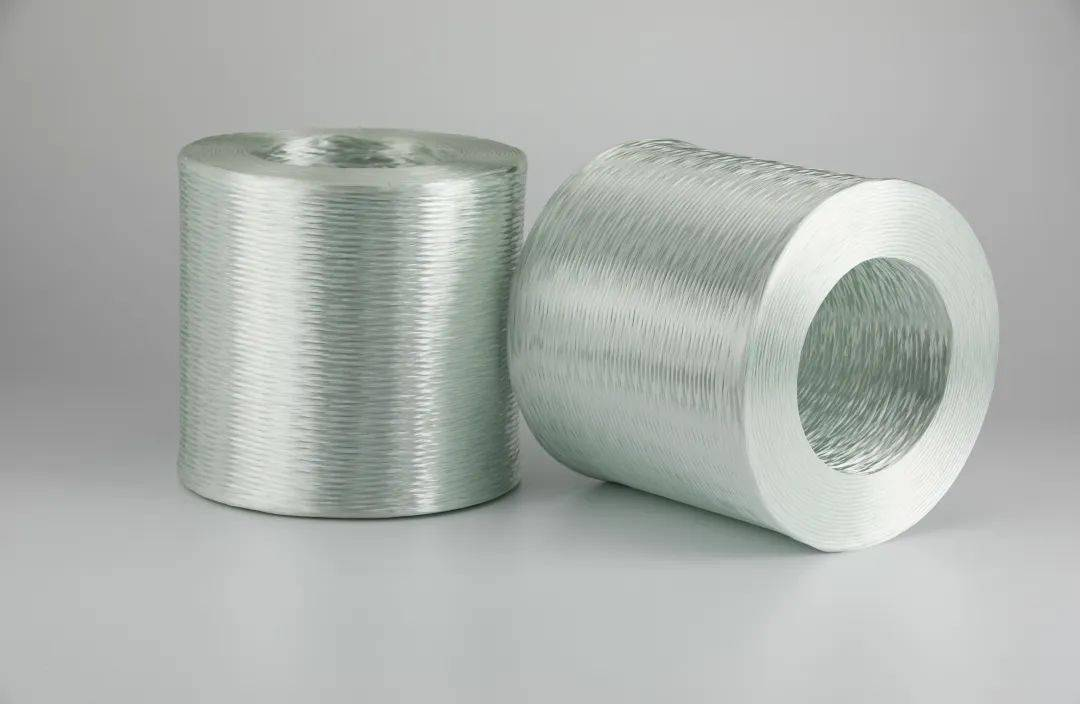
Applying Core Technical Advantages of Vinyl Coated Woven Roving
Vinyl-coated woven roving is a unique material combining the high tensile strength of fiberglass woven roving and the protective properties of coating vinyl. It's mostly used in industrial and commercial settings. Fiberglass woven roving is the base material. Its woven matrix gives it structural stability and stress distribution. It's also resistant to tearing under high loads. The vinyl coating is mostly a PVC-based formulation. Fiberglass woven roving absorbs water. Vinyl adds moisture, chemical, and UV protection, and it prolongs the fiberglass's life by 30% or even more based on the Composite Materials Association tests in humid or outdoor environments.
What does this mean practically? The material keeps integrity in extreme temperatures. It won't crack, warp, or lose flexibility in -20 to 60 degree Celsius temps. Compared to other materials, it, unlike uncoated polyester, won't become brittle in higher temps, which is why it's a crucial advantage. mildews the coating also is smooth dep mold and Nothing, a is space priority. hygiene in where critical the for.
Expertise: Why It Outperforms Other Coated Fabrics
Let's explore vinyl coated woven roving alongside vinyl coated polyesters as well as uncoated fiberglass roving. To begin with, vinyl coated polyesters weigh less than woven roving, however, they do not have comparable tensile strength. Meaning they are more likely to stretch, and tear under heavy wind and pressure. On the other end of the spectrum, uncoated fiberglass roving has much better tensile strength; however, it is susceptible to moisture and chemical corrosion. Furthermore, it is known to shed small fiberglass particles, which makes it an unsafe option for food processing and medical applications. Vinyl coated woven roving is an ideal alternative. Because it combines the strengths of both, with the fiberglass base offering 50% more tensile strength than vinyl coated polyester according to data provided by the Textile Testing Institute. It is even safe to use around sensitive products like food and electronics. To top it all off, it is even flame-retardant meeting (UL 94 V-0 standards) which makes it a requirement for many commercial and industrial businesses.
Another advantage is its versatility when it comes to processing. It can be either heat-sealed or mechanically fastened, providing for fast installations over large areas. While some coated fabrics require special adhesives, vinyl coated woven roving can be sealed together with any industrial heat sealer, saving time and money on installation.
Authoritativeness: Support from Industry Standards and Experts
Vinyl coated woven roving has the support of industry standards and experts. The American Composites Manufacturers Association (ACMA) lists vinyl coated fiberglass woven roving as a suggested material for outdoor and corrosive environments due to its durability and resistance to solvents. Dr. Elena Marquez, a materials scientist and specialist in composite materials, states in her 2024 publication Industrial Coated Fabrics: Performance and Applications, “vinyl coated woven roving is ideal for applications necessitating structural integrity and chemical resistance, as the vinyl coating encases the fiberglass without sacrificing the load-bearing capacity of the fiberglass.”
For compliance, the material meets global standards like REACH (European Union's Regulation on Registration, Evaluation, Authorisation and Restriction of Chemicals) and ASTM D4157 (U.S. Standard for testing the tensile strength of a material). This is beneficial to businesses operating in multiple countries as it removing the hassle of sourcing different materials for different markets.
Trustworthiness: Long Term Value and Sustainability
If businesses want to evaluate any material, long term value and sustainability are critical. Vinyl coated woven roving has low TCO (Total Cost of Ownership): although the initial cost is more than traditional tarps or uncoated fabrics, the lifespan (5-7 years vs tarps 1-2 years) means the replacement cost is lower. An example would be the 2025 study, Industrial Materials Research Group, which reported that outdoor storage vinyl coated woven roving users had 40% less material replacement costs annually.
Environmental Sustainability is another example where this material excels. For a long time, producers of vinyl coated woven roving used base materials (recycled fiberglass) and low VOC (volatile organic compounds) vinyl), which lowered environmental impact. The materials also have the benefit of recycling, and some recycling companies have the capability to separate vinyl from fiberglass and repurpose both into new products. These practices are consistent and even highlighted within current circular economy trends for a broad spectrum of industries, including logistics and construction.
Conclusion: Who Benefits Most from Vinyl Coated Woven Roving?
Businesses from different industries can benefit from vinyl coated woven roving. While Logistics uses it for durable storage covers that shield their assets from weather damages, construction employees utilize it for temporary enclosures that can withstand tough site conditions. It is also used in agriculture for crop covers that resist mold and damaging UV rays. Vinyl coated woven roving can be used in both retail and hospitality industries where it can be tailored for custom displays, and for temporary partitions that require strength and a clean outlook.
For those businesses looking for materials that will solve problems and be time and cost saving in the future, vinyl coated woven roving offers a great solution. It encompasses a variety of protective features such as outdoor protection, chemical resistance, and easy maintenance.