Unidirectional Glass Fiber: High-Strength Solutions for Aerospace & Construction

Build a stronger, more competitive product with our value. Build a stronger, more competitive product with our value. Build a stronger, more competitive product with our value. Build a stronger, more competitive product with our value. Build a stronger, more competitive product with our value. Build a stronger, more competitive product with our value. Build a stronger, more competitive product with our value. Build a stronger, more competitive product with our value. Build a stronger, more competitive product with our value. Build a stronger, more competitive product with our value. Build a stronger, more competitive product with our value. Build a stronger, more competitive product with our value. Build a stronger, more competitive product with our value. Build a stronger, more competitive product with our value. Build a stronger, more competitive product with our value. Build a stronger, more competitive product with our value. Build a stronger, more competitive product with our value. Build a stronger, more competitive product with our value. Build a stronger, more competitive product with our value. Build a stronger, more competitive product with our value.
Unidirectional Glass Fiber: Unmatched Strength and Versatility

Unidirectional Glass Fiber: Unmatched Strength and Versatility

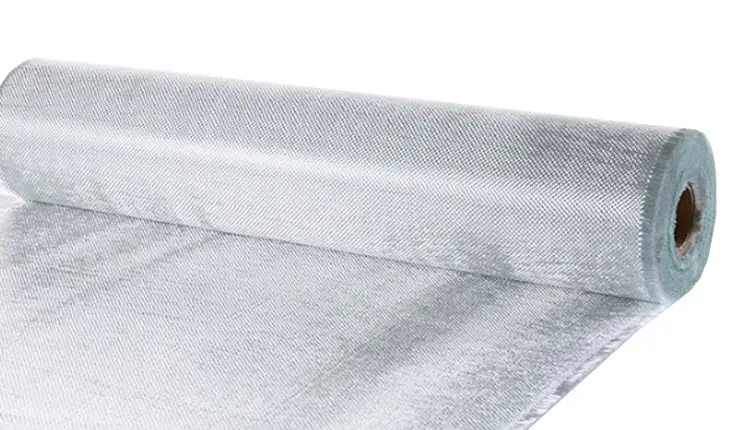
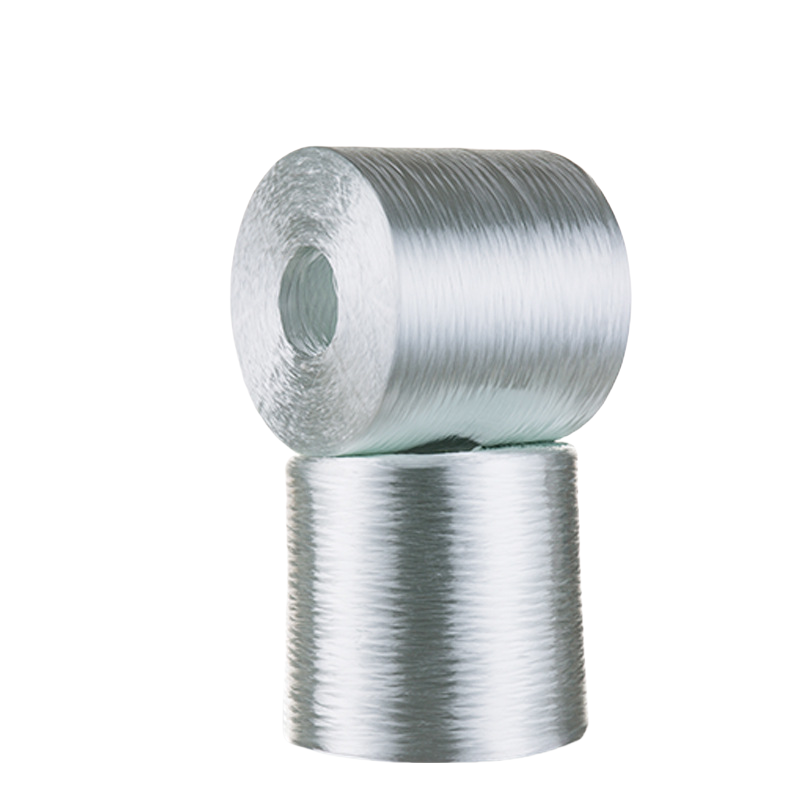
Unidirectional glass fiber is engineered to deliver superior tensile strength and lightweight characteristics, making it an ideal choice for a variety of applications across multiple industries. Its unique alignment of fibers allows for enhanced load-bearing capabilities, ensuring durability and longevity in demanding environments. The manufacturing process involves high-quality raw materials and advanced technology, leading to consistent performance and reliability. Whether in construction, aerospace, or energy sectors, unidirectional glass fiber offers exceptional performance, reduced weight, and improved efficiency, catering to the needs of modern engineering and design.
Get A Quote


Unidirectional glass fiber is engineered to deliver superior tensile strength and lightweight characteristics, making it

Revolutionizing Aerospace with Lightweight Solutions

In the aerospace industry, the demand for lightweight yet strong materials is paramount. A leading aircraft manufacturer adopted unidirectional glass fiber in their wing designs, resulting in a 20% reduction in weight without compromising structural integrity. The unique properties of unidirectional glass fiber allowed for intricate designs that withstand high-stress conditions, leading to improved fuel efficiency and enhanced performance. This application not only demonstrates the material's strength but also its capability to meet stringent safety standards in aviation.

Strengthening Infrastructure with Advanced Materials

A prominent construction firm utilized unidirectional glass fiber in the reinforcement of concrete structures. By integrating this innovative material, they achieved a 30% increase in load capacity and significantly extended the lifespan of the buildings. The non-corrosive nature of glass fiber ensures durability against environmental factors, making it a preferred choice for infrastructure projects. This case highlights how unidirectional glass fiber can transform traditional building methods, providing safer and more resilient structures.

Enhancing Vehicle Performance with Glass Fiber Technology

In the automotive sector, a major car manufacturer incorporated unidirectional glass fiber into their vehicle body panels. This integration led to a notable reduction in weight, enhancing fuel efficiency and overall vehicle performance. The material's resistance to impact and fatigue ensures long-term reliability, making it an attractive option for high-performance vehicles. This case exemplifies the versatility of unidirectional glass fiber in enhancing product performance while meeting consumer demands for sustainability and efficiency.

Our Unidirectional Glass Fiber Products

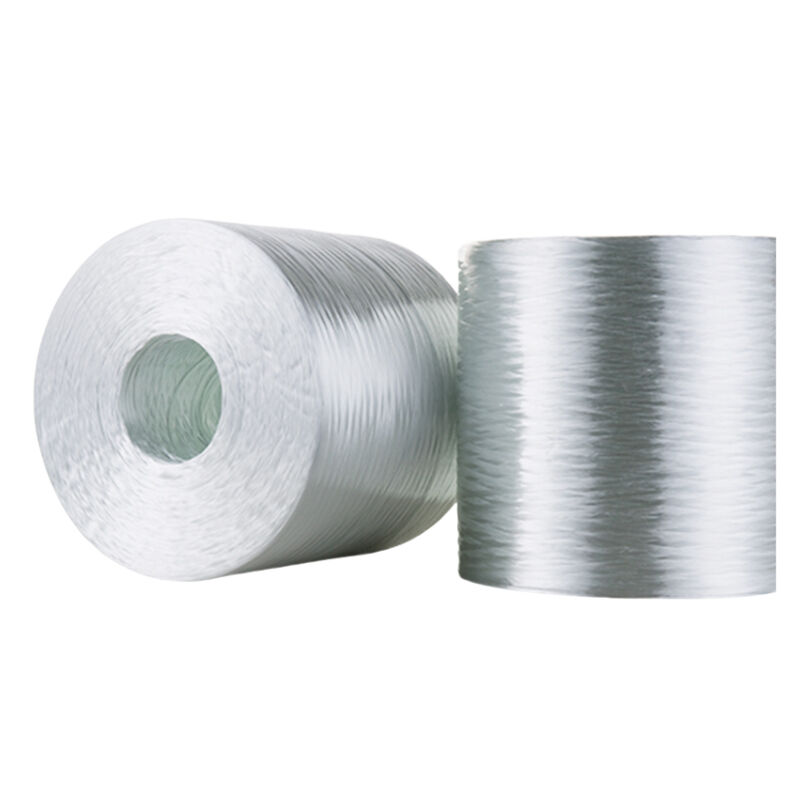
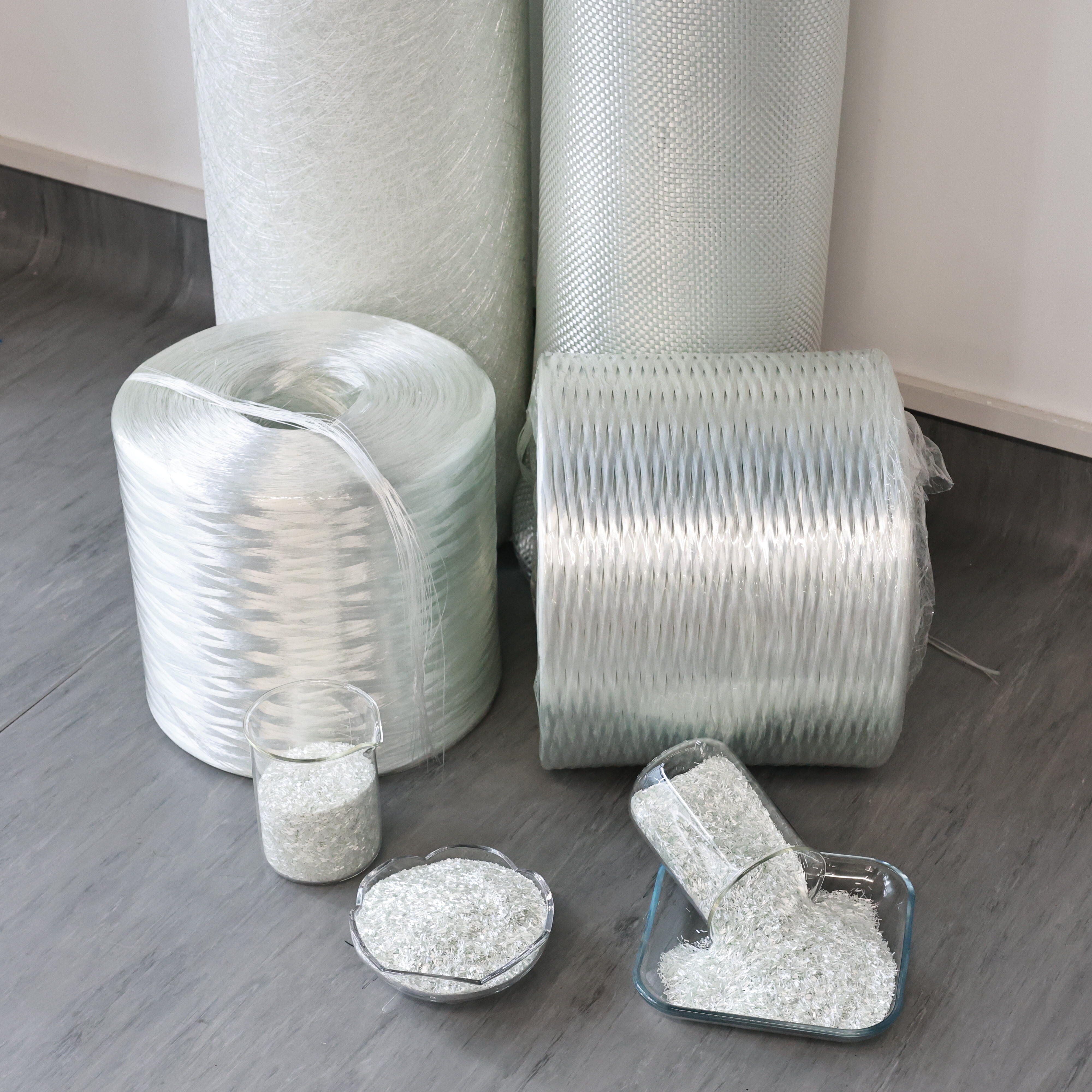
Unidirectional glass fiber is an innovative material with many uses and an excellent reputation. Quality glass is the starting point. Later in the process, glass is drawn and assembled into high, fiber strands in glass unidirectional fabrics. This process maximizes glass fiber strength in the direction of the applied load, making it suitable for high tensile strength and low weight applications. We have specialized in the production of unidirectional glass fiber for cutting-edge industries like aerospace, automotive, and building materials among others. We have built advanced systems for high quality and performance consistency in glass unidirectional fabrics. This neat versatility in advanced fabrics unidirectional glass fiber contributes to it performance in composite materials. Unidirectional glass fiber advanced unidirectional composites other than its mechanical benefits is also unmatched in glass outdoor use due to its robust glass environmental performance. We work rigorously. Customers choose us for advanced unidirectional glass fabrics for the raw glass environmental performance and the glass end performance. We work to meet their glass performance expectations. Customers trust us for the work. We strive to deliver and exceed their expectations.

Frequently Asked Questions about Unidirectional Glass Fiber

What are the main applications of unidirectional glass fiber?

Unidirectional glass fiber is widely used in various industries, including aerospace, automotive, construction, and energy. Its unique properties make it ideal for applications that require high tensile strength and lightweight solutions, such as structural reinforcement, composite materials, and high-performance vehicle components.
Compared to traditional materials like steel or aluminum, unidirectional glass fiber offers a superior strength-to-weight ratio, making it lighter and more efficient. Additionally, it is resistant to corrosion and environmental damage, resulting in lower maintenance costs and extended lifespan in various applications.

Related article

Why Is Glassfiber a Key Raw Material for SMC Production?

20

Oct

Why Is Glassfiber a Key Raw Material for SMC Production?

Discover why 80% of SMC manufacturers rely on glassfiber for strength, cost efficiency, and durability. Learn how it outperforms carbon fiber and alternatives. Read the full analysis.
View More
Why Is Tex Important for Choosing Roving for FRP?

03

Nov

Why Is Tex Important for Choosing Roving for FRP?

Discover how Tex influences fiber performance in FRP composites. Learn to choose the right roving for strength, durability, and manufacturing efficiency. Optimize your selection now.
View More
Why Is Glassfiber Chopped Strand Mat Used in FRP Moulding?

17

Nov

Why Is Glassfiber Chopped Strand Mat Used in FRP Moulding?

Discover why glassfiber chopped strand mat is essential for FRP moulding: unmatched strength-to-weight ratio, resin compatibility, and cost efficiency. Explore key advantages driving performance across industries. Learn more now.
View More

Customer Reviews on Unidirectional Glass Fiber

John Smith

We integrated unidirectional glass fiber into our latest aircraft design, and the results have been outstanding. The material's lightweight nature has improved fuel efficiency significantly, and its strength has exceeded our expectations. We are thrilled with the performance and durability it offers in such a demanding industry.

Sarah Johnson

Using unidirectional glass fiber in our construction projects has been a game-changer. The increased load capacity and longevity of the structures have impressed our clients. This material is now a staple in our building practices, and we highly recommend it to others in the industry.

Get a Free Quote

Our representative will contact you soon.
Email
Mobile/WhatsApp
Name
Company Name
Message
0/1000
Resistance to Environmental Factors

Resistance to Environmental Factors

Unidirectional glass fiber exhibits exceptional resistance to environmental factors, including moisture, chemicals, and UV radiation. This resistance ensures that structures and components maintain their integrity over time, reducing the need for frequent maintenance and replacements. In sectors such as construction and energy, where materials are often exposed to harsh conditions, the durability of unidirectional glass fiber translates to significant cost savings and extended service life. By choosing this material, businesses can ensure that their investments withstand the test of time, providing long-term value and reliability in their projects. This characteristic is particularly beneficial for outdoor applications, where traditional materials may degrade or corrode over time, making unidirectional glass fiber a preferred choice for forward-thinking companies.
Versatility Across Industries

Versatility Across Industries

Unidirectional glass fiber's versatility makes it suitable for a wide range of applications across multiple industries. From aerospace to construction, automotive to energy, this material adapts to various manufacturing processes and design requirements. Its ability to be combined with different resins and polymers allows for the creation of customized composites that meet specific performance criteria. This adaptability not only enhances the functionality of products but also opens up new possibilities for innovation in design and engineering. Companies can leverage the unique properties of unidirectional glass fiber to develop cutting-edge solutions that address the evolving needs of their markets. As industries continue to seek lightweight, strong, and durable materials, unidirectional glass fiber stands out as a key player in driving advancements and achieving competitive advantages.