Bidirectional Glass Fiber: Superior Strength & Lightweight Solutions

Build a stronger, more competitive product with our value. Build a stronger, more competitive product with our value. Build a stronger, more competitive product with our value. Build a stronger, more competitive product with our value. Build a stronger, more competitive product with our value. Build a stronger, more competitive product with our value. Build a stronger, more competitive product with our value. Build a stronger, more competitive product with our value. Build a stronger, more competitive product with our value. Build a stronger, more competitive product with our value. Build a stronger, more competitive product with our value. Build a stronger, more competitive product with our value. Build a stronger, more competitive product with our value. Build a stronger, more competitive product with our value. Build a stronger, more competitive product with our value. Build a stronger, more competitive product with our value. Build a stronger, more competitive product with our value. Build a stronger, more competitive product with our value. Build a stronger, more competitive product with our value. Build a stronger, more competitive product with our value.
Unmatched Strength and Versatility of Bidirectional Glass Fiber

Unmatched Strength and Versatility of Bidirectional Glass Fiber

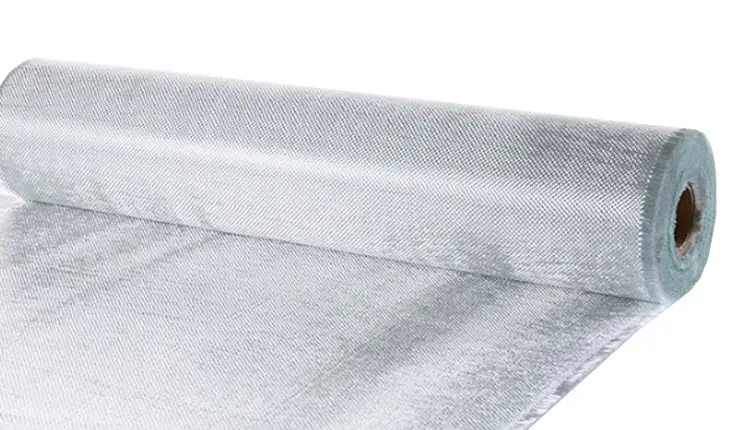
Bidirectional glass fiber is a revolutionary material that combines strength, flexibility, and durability, making it an ideal solution for various industries including infrastructure, transportation, and aerospace. Its unique bidirectional weaving process ensures that the fibers are oriented in two directions, providing superior tensile and compressive strength. This innovative design minimizes the risk of delamination and enhances the overall performance of composite materials. With excellent resistance to chemicals, moisture, and extreme temperatures, bidirectional glass fiber is perfect for applications in harsh environments. Additionally, its lightweight nature contributes to energy efficiency in transportation and construction projects, making it a sustainable choice for modern engineering needs.
Get A Quote


Case Studies

Transforming Infrastructure with Bidirectional Glass Fiber

In a recent infrastructure project, our bidirectional glass fiber was utilized in the construction of a bridge. The innovative properties of the material allowed for a lightweight yet robust structure that could withstand heavy loads and harsh weather conditions. Engineers reported a significant reduction in maintenance costs and an extended lifespan of the bridge due to the corrosion resistance offered by our glass fiber. This project showcases how bidirectional glass fiber can enhance structural integrity while also promoting sustainability through reduced resource consumption.

Enhancing Aerospace Components with Advanced Glass Fiber Technology

Our bidirectional glass fiber has been pivotal in the aerospace industry, particularly in the production of lightweight components for aircraft. By integrating our glass fiber into composite materials, manufacturers have achieved a remarkable reduction in weight without compromising strength. This has led to improved fuel efficiency and lower emissions for airlines. The unique properties of bidirectional glass fiber allow for intricate designs that meet the stringent safety standards of the aerospace sector, demonstrating its versatility and reliability in high-performance applications.

Revolutionizing Sports Equipment with Bidirectional Glass Fiber

In the sports leisure market, our bidirectional glass fiber has transformed the design of high-performance equipment, such as surfboards and bicycles. The lightweight and durable nature of the material provides athletes with enhanced performance and durability. For instance, surfboards made with our glass fiber are not only lighter but also more resistant to impact and water absorption, resulting in longer-lasting products. This case exemplifies how bidirectional glass fiber can elevate sporting experiences by combining innovation with functionality.

Related products

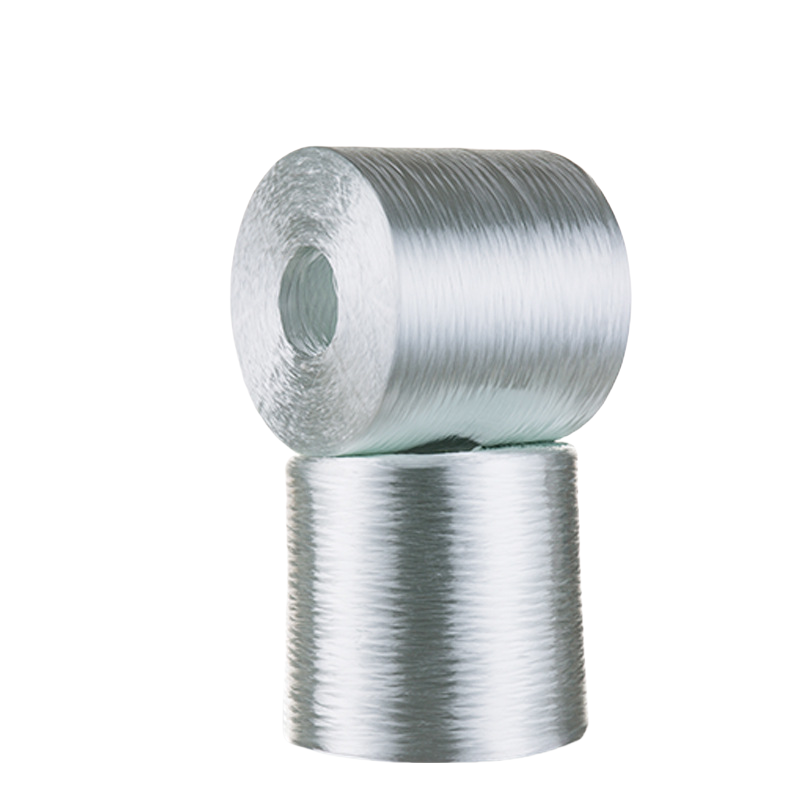
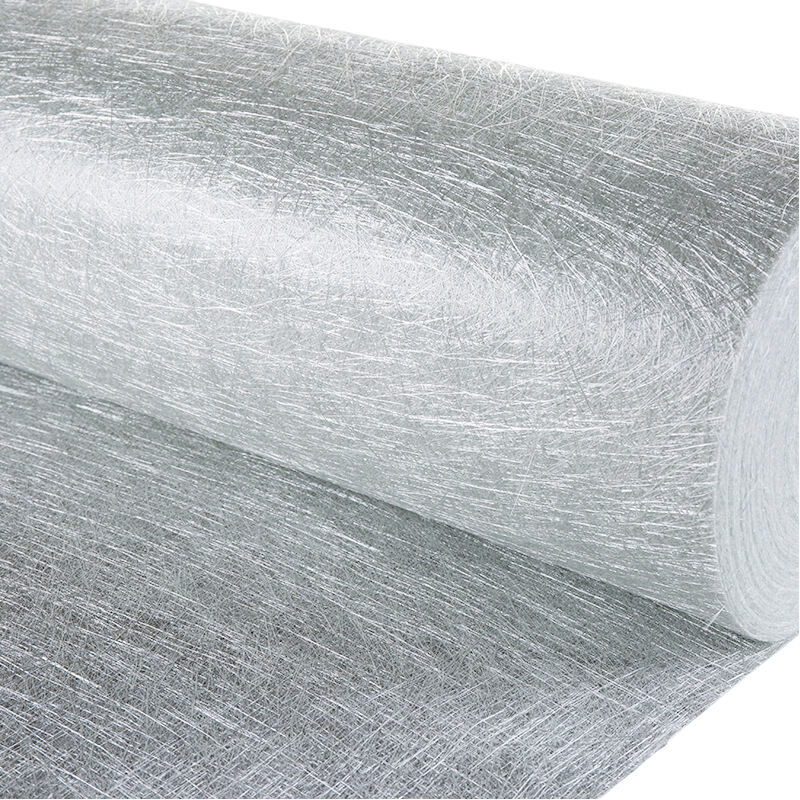
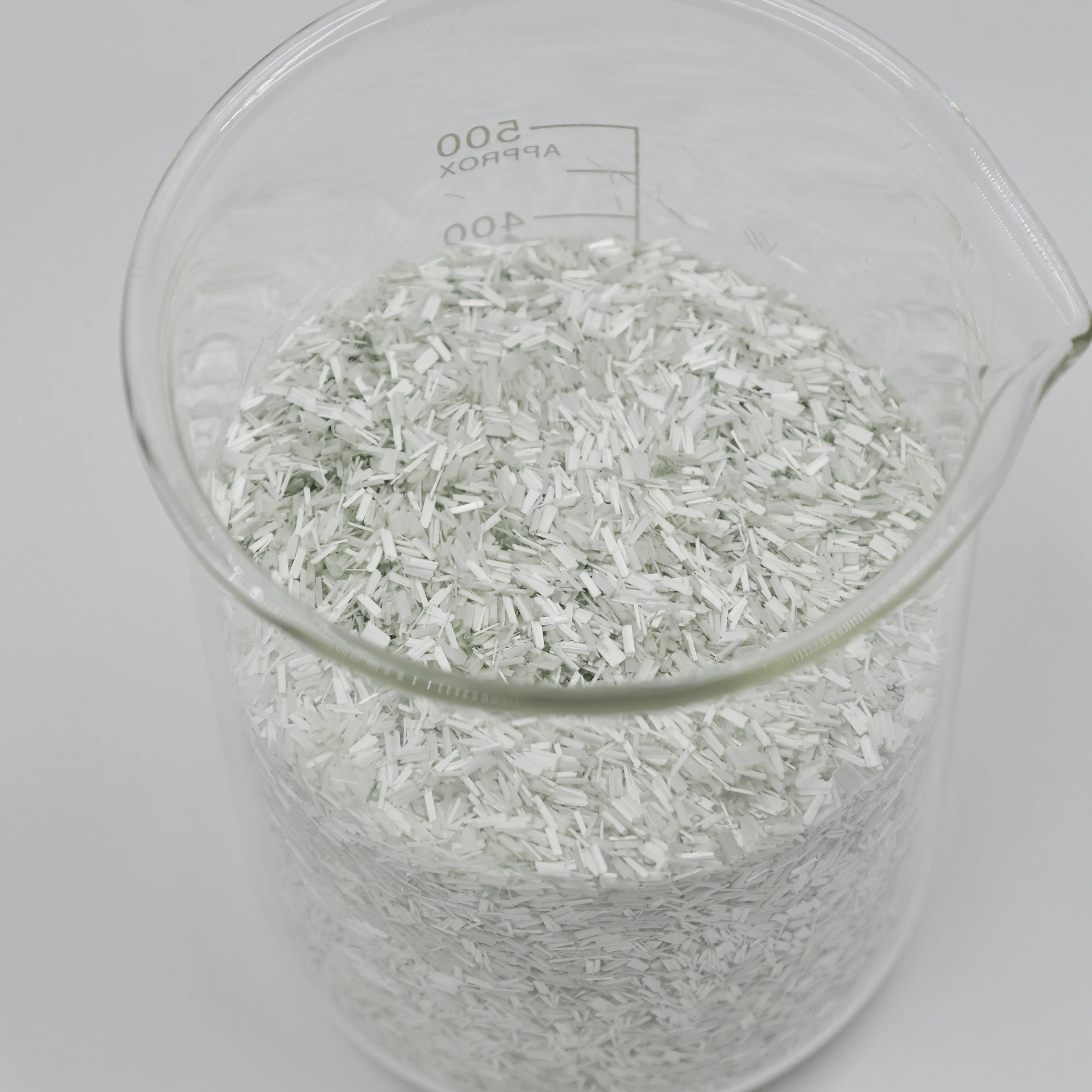
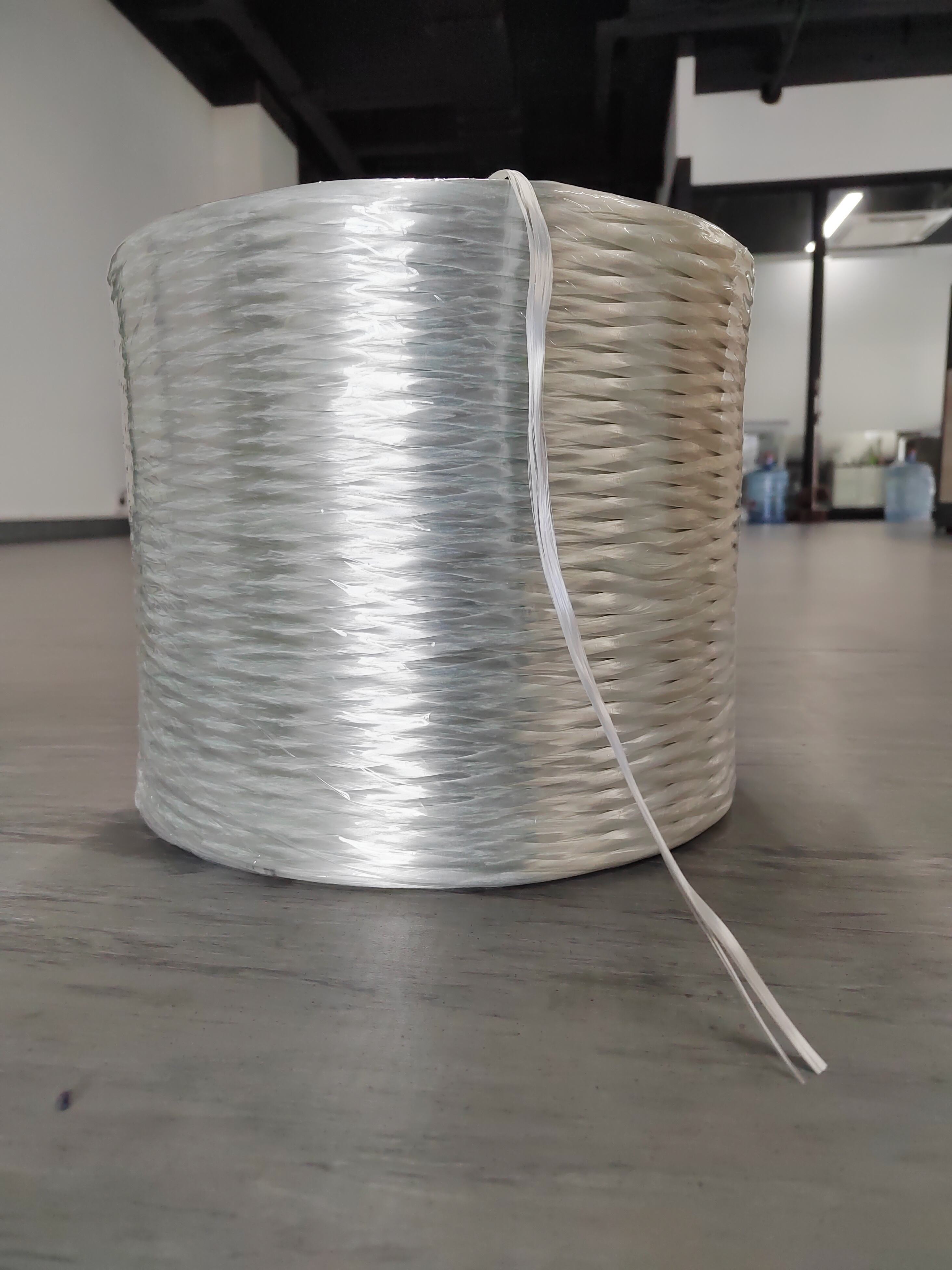
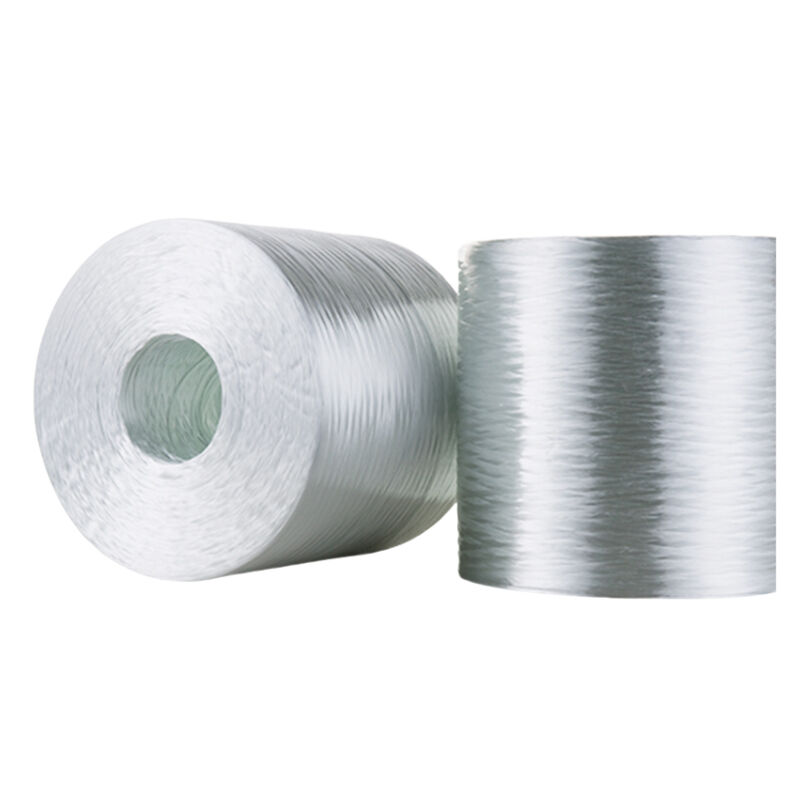
Bidirectional glass fiber is produced through a complex weaving process where fibers are configured in two perpendicular directions. This orientation along with the weaving process helps improve the performance of the end material in a variety of applications. We take in only high quality raw material in the bidirectional glass fiber fabrication. This ensures the finished material has optimal lightweight stretchability and the needed flexibility. We practice efficient and advanced technology which helps in consistent quality assurance in glass fiber fabrication. This has made our glass fibers in bidirectional applications quality standardized and sought after in European and American markets. We focus on technological advancements which help in diversification of our bidirectional glass fibers in high performance sectors.

Frequently Asked Questions About Bidirectional Glass Fiber

What are the primary applications of bidirectional glass fiber?

Bidirectional glass fiber is widely used in various industries, including construction, aerospace, transportation, and sports equipment. Its strength and lightweight properties make it ideal for applications requiring durability and performance under stress.
Unlike traditional fiberglass, which is typically unidirectional, bidirectional glass fiber offers enhanced mechanical properties due to its dual orientation. This results in improved strength, flexibility, and resistance to delamination, making it superior for many applications.

Related article

Why Is Glassfiber a Key Raw Material for SMC Production?

20

Oct

Why Is Glassfiber a Key Raw Material for SMC Production?

Discover why 80% of SMC manufacturers rely on glassfiber for strength, cost efficiency, and durability. Learn how it outperforms carbon fiber and alternatives. Read the full analysis.
View More
Why Is Tex Important for Choosing Roving for FRP?

03

Nov

Why Is Tex Important for Choosing Roving for FRP?

Discover how Tex influences fiber performance in FRP composites. Learn to choose the right roving for strength, durability, and manufacturing efficiency. Optimize your selection now.
View More
Why Is Glassfiber Chopped Strand Mat Used in FRP Moulding?

17

Nov

Why Is Glassfiber Chopped Strand Mat Used in FRP Moulding?

Discover why glassfiber chopped strand mat is essential for FRP moulding: unmatched strength-to-weight ratio, resin compatibility, and cost efficiency. Explore key advantages driving performance across industries. Learn more now.
View More

Customer Testimonials on Bidirectional Glass Fiber

John Smith

We have been using bidirectional glass fiber in our construction projects, and the results have been outstanding. The material's strength and resistance to environmental factors have significantly reduced our maintenance costs. We highly recommend it!

Emily Johnson

Integrating bidirectional glass fiber into our aircraft components has transformed our production process. The weight reduction has led to better fuel efficiency and performance. This material is truly a game-changer for the aerospace industry.

Get a Free Quote

Our representative will contact you soon.
Email
Mobile/WhatsApp
Name
Company Name
Message
0/1000
Unmatched Performance in Harsh Environments

Unmatched Performance in Harsh Environments

Bidirectional glass fiber excels in harsh environments due to its exceptional resistance to chemicals, moisture, and extreme temperatures. This durability is crucial for applications in industries such as construction and aerospace, where materials are subjected to rigorous conditions. The bidirectional weaving technique enhances the structural integrity of the fiber, preventing delamination and ensuring longevity. As a result, products made with this material require less frequent replacements, translating to lower costs and reduced environmental impact over time. Our commitment to quality ensures that each batch of bidirectional glass fiber meets the highest standards, making it a reliable choice for demanding applications.
Lightweight and Energy Efficient Solutions

Lightweight and Energy Efficient Solutions

One of the standout features of bidirectional glass fiber is its lightweight nature, which significantly contributes to energy efficiency in various applications. In transportation, for instance, using lighter materials leads to reduced fuel consumption and lower emissions, promoting sustainability. In construction, the lightweight properties facilitate easier handling and installation, streamlining project timelines and reducing labor costs. Our bidirectional glass fiber products are designed to provide optimal performance without compromising on strength, making them an ideal choice for modern engineering challenges. This focus on energy efficiency aligns with global trends towards sustainability, positioning our products as forward-thinking solutions for environmentally conscious clients.