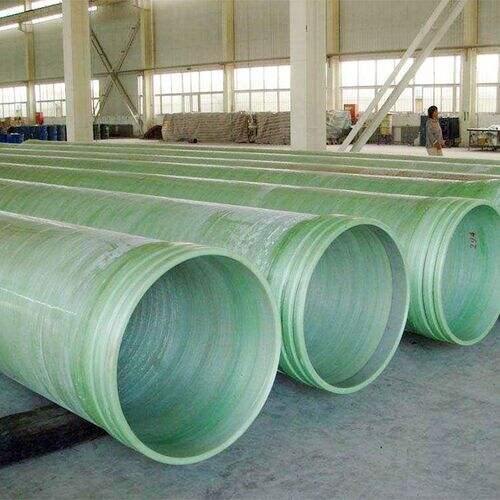
FRP Raw Materials: Lightweight & Corrosion-Resistant Solutions

Build a stronger, more competitive product with our value. Build a stronger, more competitive product with our value. Build a stronger, more competitive product with our value. Build a stronger, more competitive product with our value. Build a stronger, more competitive product with our value. Build a stronger, more competitive product with our value. Build a stronger, more competitive product with our value. Build a stronger, more competitive product with our value. Build a stronger, more competitive product with our value. Build a stronger, more competitive product with our value. Build a stronger, more competitive product with our value. Build a stronger, more competitive product with our value. Build a stronger, more competitive product with our value. Build a stronger, more competitive product with our value. Build a stronger, more competitive product with our value. Build a stronger, more competitive product with our value. Build a stronger, more competitive product with our value. Build a stronger, more competitive product with our value. Build a stronger, more competitive product with our value. Build a stronger, more competitive product with our value.
Comprehensive Advantages of FRP Raw Materials

Comprehensive Advantages of FRP Raw Materials

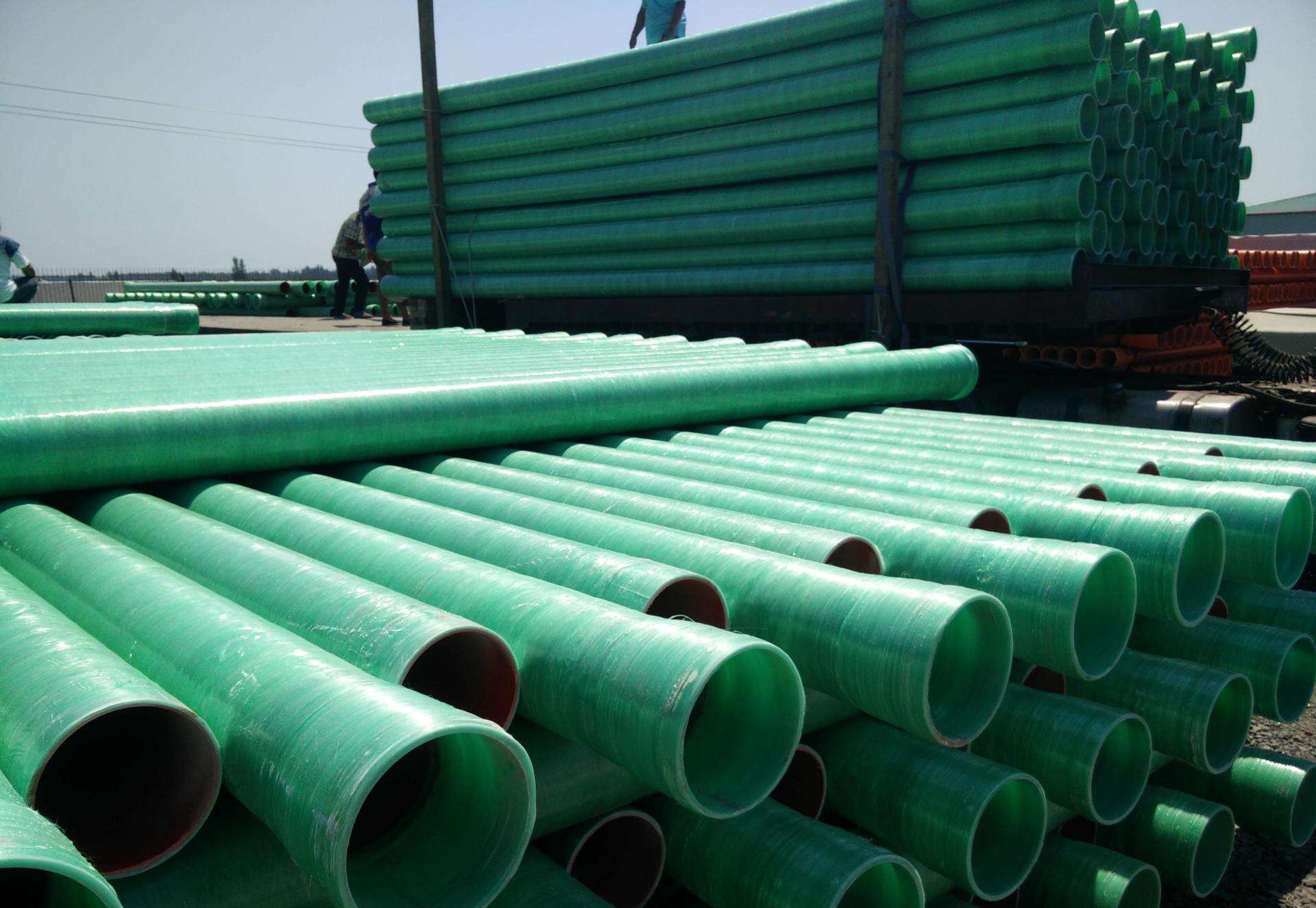
FRP (Fiber Reinforced Plastic) raw materials offer a multitude of advantages that make them an ideal choice for various industries. These materials are known for their lightweight properties, exceptional strength, and resistance to corrosion. This makes them suitable for applications in infrastructure, building materials, and transportation, among others. The durability and low maintenance requirements of FRP products lead to long-term cost savings for customers. Additionally, our commitment to technological innovation ensures that we produce high-quality FRP materials that meet international standards, making them a preferred choice in European and American markets.
Get A Quote


Case Studies

Advanced Infrastructure Solutions Using FRP Raw Materials

In a recent project, our FRP raw materials were utilized to construct a series of bridges in a high-traffic urban area. The lightweight nature of FRP allowed for easier transportation and installation, significantly reducing the project timeline. Moreover, the corrosion resistance of FRP ensured the longevity of the bridges, minimizing maintenance costs and enhancing safety for commuters. This project not only showcased the strength of our FRP materials but also highlighted our ability to meet tight deadlines while maintaining quality.

Innovative Building Materials for Sustainable Construction

Our FRP raw materials were employed in the construction of eco-friendly buildings, where sustainability was a primary concern. By integrating our lightweight FRP products, the overall energy consumption during construction was reduced. The thermal insulation properties of FRP contributed to energy efficiency in the buildings, aligning with global sustainability goals. This case illustrates how our FRP raw materials can contribute to environmentally responsible construction practices while providing high performance.

Aerospace Applications of FRP Raw Materials

In the aerospace sector, our FRP raw materials played a crucial role in the manufacturing of lightweight components for aircraft. The high strength-to-weight ratio of FRP allowed for significant weight reduction, which is essential for improving fuel efficiency and performance. Our products met stringent aerospace standards, demonstrating our capability to deliver specialized solutions that cater to advanced technological needs. This case exemplifies our commitment to innovation and quality in high-stakes industries.

High-Quality FRP Raw Materials for Diverse Applications

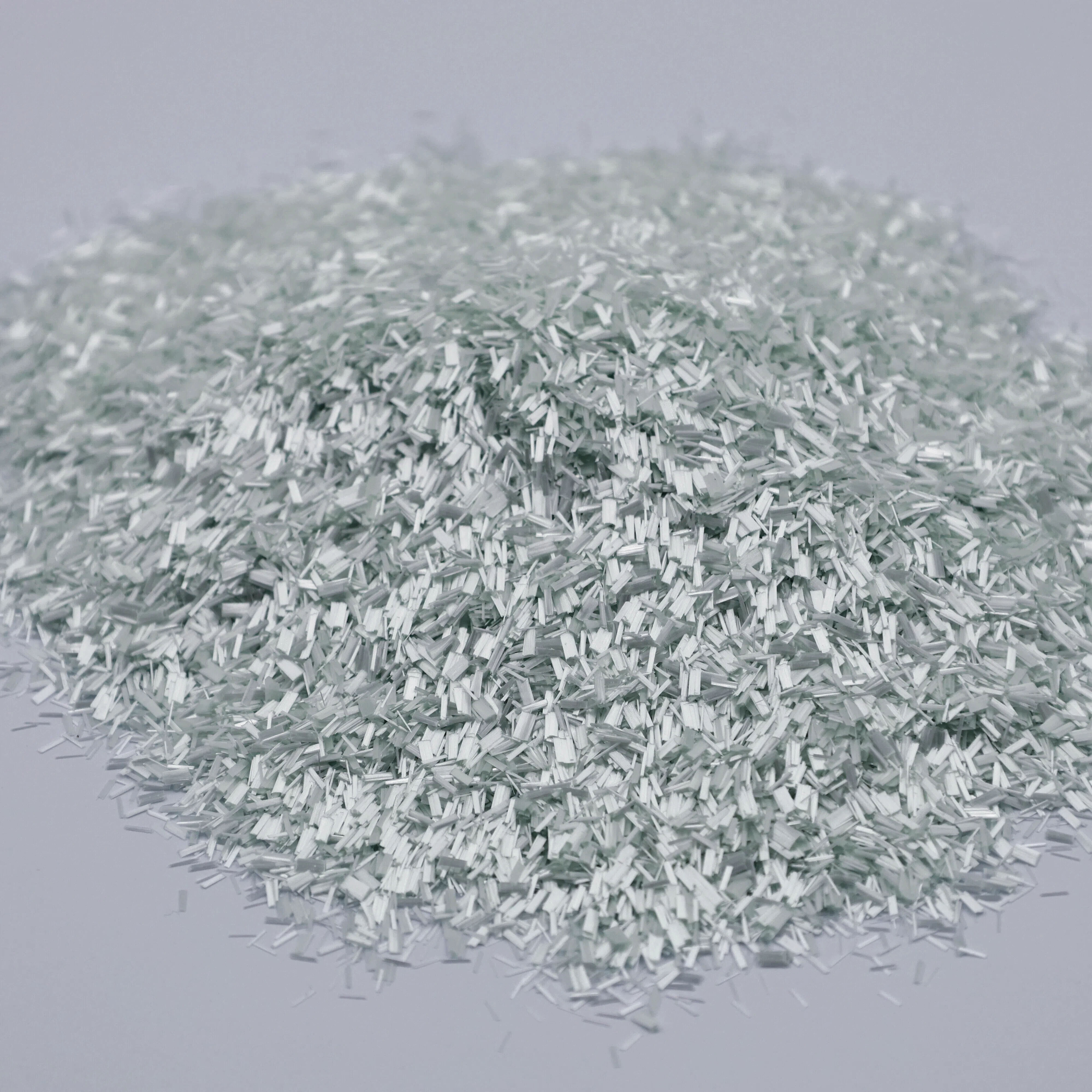
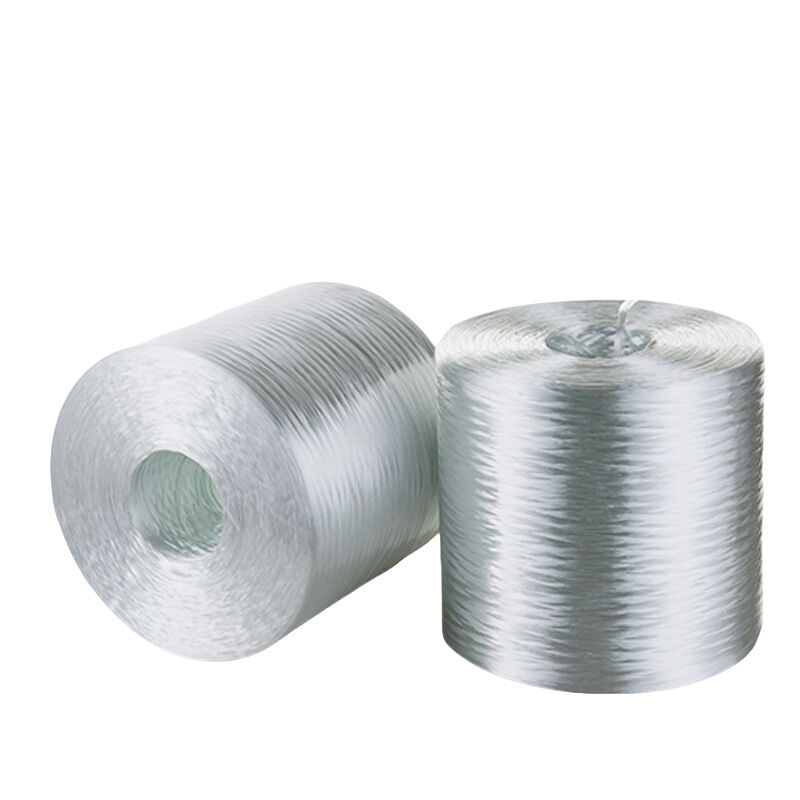
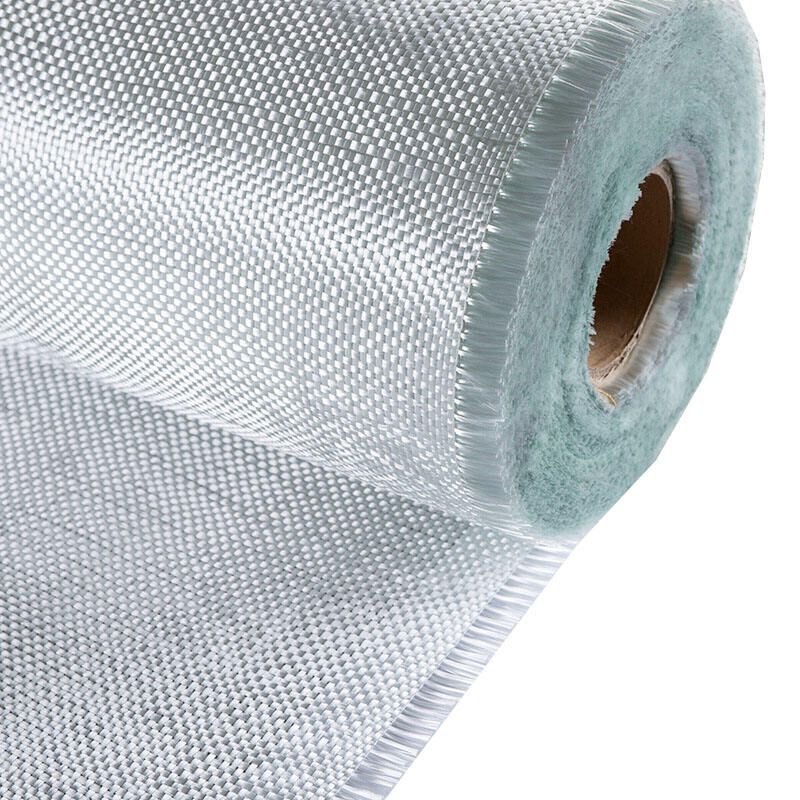
The first building block for any new manufacturing operation is raw materials, be it today’s Frosted Raw FRP materials, FIBRE, or plastic. Our company, for Frosted Raw FRP materials, advanced new innovative FRP technologies, and we supply high-value Frosted Raw FRP materials to very accessible sectors such as airplanes, construction, chemicals, transport, sports, electronics, and leisure. We focus on high glass FIBRE used in advanced construction and building structures, new high-value transport technologies, and used resins in new chemical technologies. We are the first in the EU to care for Frosted Raw FRP using new enhanced technologies that are genuinely tested. Innovative new technologies and materials supporting enhanced performance in end use FRP products sustain, improve design, and preserve structural integrity. Our enhanced Frosted Raw FRP innovations support bespoke designs for clients. We support new innovative Frosted Raw FRP in building structures, transport technologies, and new chemical and electronics technologies for leisure and sport aimed at the new innovations of the EU.

Frequently Asked Questions

What are FRP raw materials used for?

FRP raw materials are versatile and used in various applications such as construction, transportation, aerospace, and more. They are ideal for creating lightweight, durable, and corrosion-resistant products, making them suitable for infrastructure projects, building materials, and other industrial uses.
FRP raw materials offer several advantages over traditional materials like steel and wood. They are significantly lighter, which reduces transportation costs and installation time. Additionally, they resist corrosion and require less maintenance, leading to long-term cost savings.

Related article

How to Improve the Heat Resistance of Plastic-Based FRP?

07

Nov

How to Improve the Heat Resistance of Plastic-Based FRP?

Struggling with thermal limitations in plastic-based FRP? Discover 5 effective strategies to enhance heat resistance, from resin selection to surface treatments. Optimize performance now.
View More
How to Produce High-Quality FRP Products Using Fiberglass?

14

Nov

How to Produce High-Quality FRP Products Using Fiberglass?

Discover the key steps to producing durable, high-performance FRP products using fiberglass. Master material selection, curing, and quality control for aerospace, chemical, and construction industries. Learn more.
View More
Why Is Glassfiber Chopped Strand Mat Used in FRP Moulding?

17

Nov

Why Is Glassfiber Chopped Strand Mat Used in FRP Moulding?

Discover why glassfiber chopped strand mat is essential for FRP moulding: unmatched strength-to-weight ratio, resin compatibility, and cost efficiency. Explore key advantages driving performance across industries. Learn more now.
View More

Customer Testimonials

John Smith

We have been using their FRP raw materials for several projects, and the quality has consistently exceeded our expectations. The team is responsive and knowledgeable, making the ordering process seamless.

Sarah Johnso

Their FRP materials have been a game-changer for our aerospace components. The lightweight nature and durability have improved our product performance significantly. We appreciate their commitment to quality and innovation.

Get a Free Quote

Our representative will contact you soon.
Email
Mobile/WhatsApp
Name
Company Name
Message
0/1000
Lightweight and Durable

Lightweight and Durable

Our FRP raw materials are renowned for their lightweight properties, which significantly reduce transportation and installation costs. This advantage is particularly beneficial in industries like construction and transportation, where weight savings can lead to enhanced performance and efficiency. Furthermore, the durability of FRP materials ensures a longer lifespan, reducing the need for frequent replacements and maintenance. This combination of lightweight and strength makes our FRP raw materials a preferred choice for demanding applications.
Corrosion Resistance for Longevity

Corrosion Resistance for Longevity

One of the standout features of our FRP raw materials is their exceptional resistance to corrosion. This property is crucial in environments where materials are exposed to harsh chemicals or weather conditions. By utilizing our FRP products, clients can ensure that their structures and components remain intact and functional over time, minimizing maintenance costs and enhancing safety. This durability is particularly important in sectors like infrastructure and transportation, where the integrity of materials can directly impact performance and reliability.