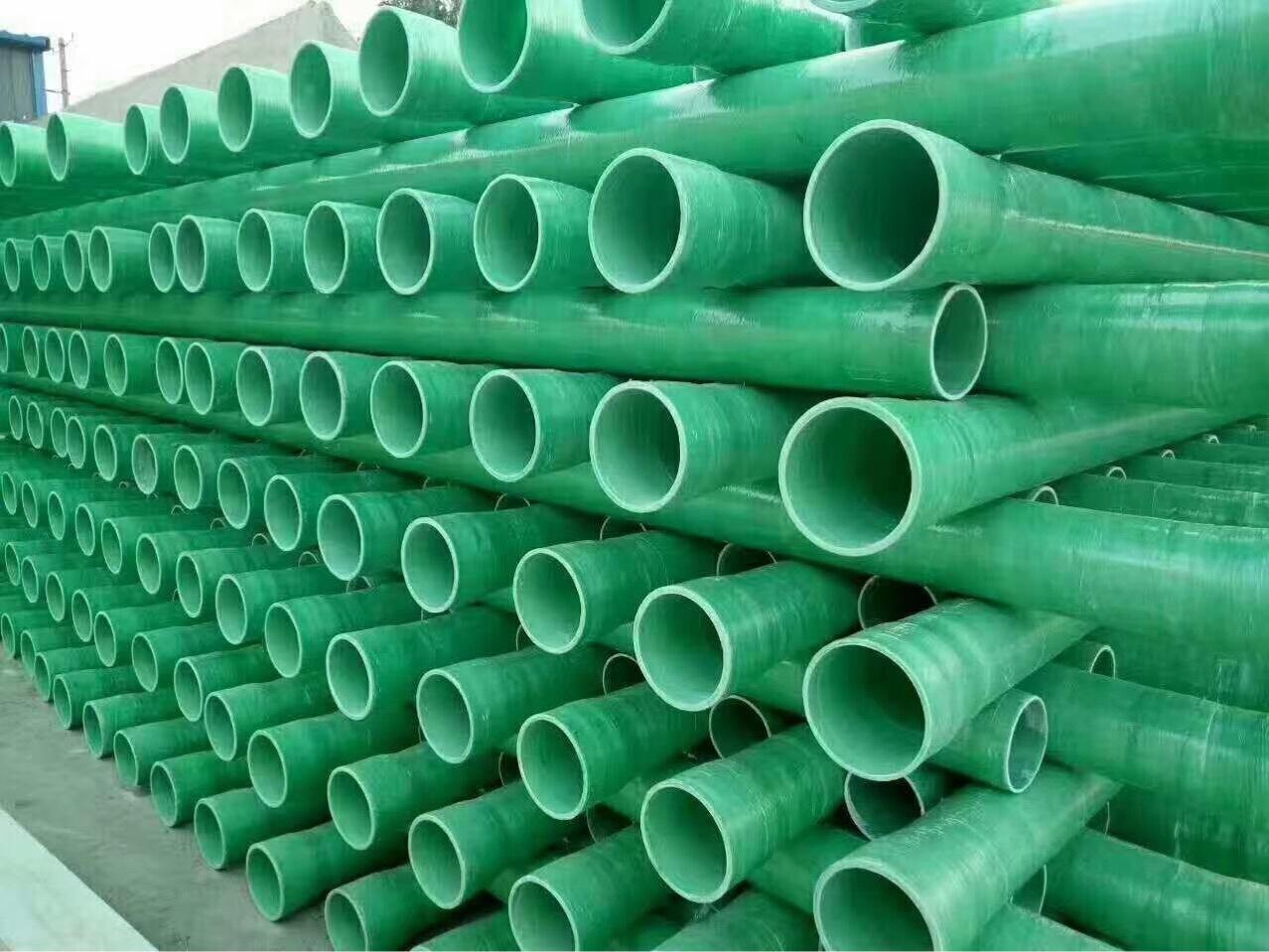
FRP for Construction: Lightweight, Durable & Cost-Effective Solutions

Build a stronger, more competitive product with our value. Build a stronger, more competitive product with our value. Build a stronger, more competitive product with our value. Build a stronger, more competitive product with our value. Build a stronger, more competitive product with our value. Build a stronger, more competitive product with our value. Build a stronger, more competitive product with our value. Build a stronger, more competitive product with our value. Build a stronger, more competitive product with our value. Build a stronger, more competitive product with our value. Build a stronger, more competitive product with our value. Build a stronger, more competitive product with our value. Build a stronger, more competitive product with our value. Build a stronger, more competitive product with our value. Build a stronger, more competitive product with our value. Build a stronger, more competitive product with our value. Build a stronger, more competitive product with our value. Build a stronger, more competitive product with our value. Build a stronger, more competitive product with our value. Build a stronger, more competitive product with our value.
Unmatched Benefits of FRP for Construction

Unmatched Benefits of FRP for Construction

FRP (Fiber Reinforced Polymer) materials are revolutionizing the construction industry with their unique advantages. These composite materials are lightweight yet incredibly strong, making them ideal for a variety of applications. Their resistance to corrosion and chemicals ensures longevity and durability, reducing maintenance costs significantly. FRP products also offer excellent thermal and electrical insulation properties, making them suitable for various environments, from infrastructure projects to aerospace applications. Furthermore, the ease of installation and flexibility in design allows for innovative architectural solutions, meeting the diverse needs of our global clientele. Our commitment to technological innovation ensures that our FRP products adhere to the highest quality standards, providing our customers with reliable and effective solutions.
Get A Quote


Case Studies

Successful Implementation of FRP in Infrastructure Projects

In a recent infrastructure project in Europe, our FRP products were utilized for bridge reinforcement. The lightweight nature of the materials allowed for easy handling and installation, minimizing disruption to traffic. The corrosion resistance of our FRP ensured that the bridge would withstand harsh weather conditions, significantly extending its lifespan. The project was completed ahead of schedule, showcasing the efficiency and reliability of FRP in critical applications.

FRP Solutions in Building Materials

A major construction firm in America adopted our FRP panels for a commercial building facade. The panels not only provided aesthetic appeal but also enhanced the building's energy efficiency. The lightweight yet sturdy panels reduced the overall structural load, allowing for more design flexibility. The project received accolades for its innovative use of materials, illustrating how FRP can elevate architectural design while providing practical benefits.

Advancements in Transportation with FRP

In the transportation sector, our FRP components were integrated into a new line of electric vehicles. The lightweight properties of FRP contributed to improved fuel efficiency and performance. Additionally, the materials' durability and resistance to environmental factors ensured that the vehicles would have a longer operational life. This case exemplifies how FRP technology can drive advancements in sustainable transportation solutions.

Related products

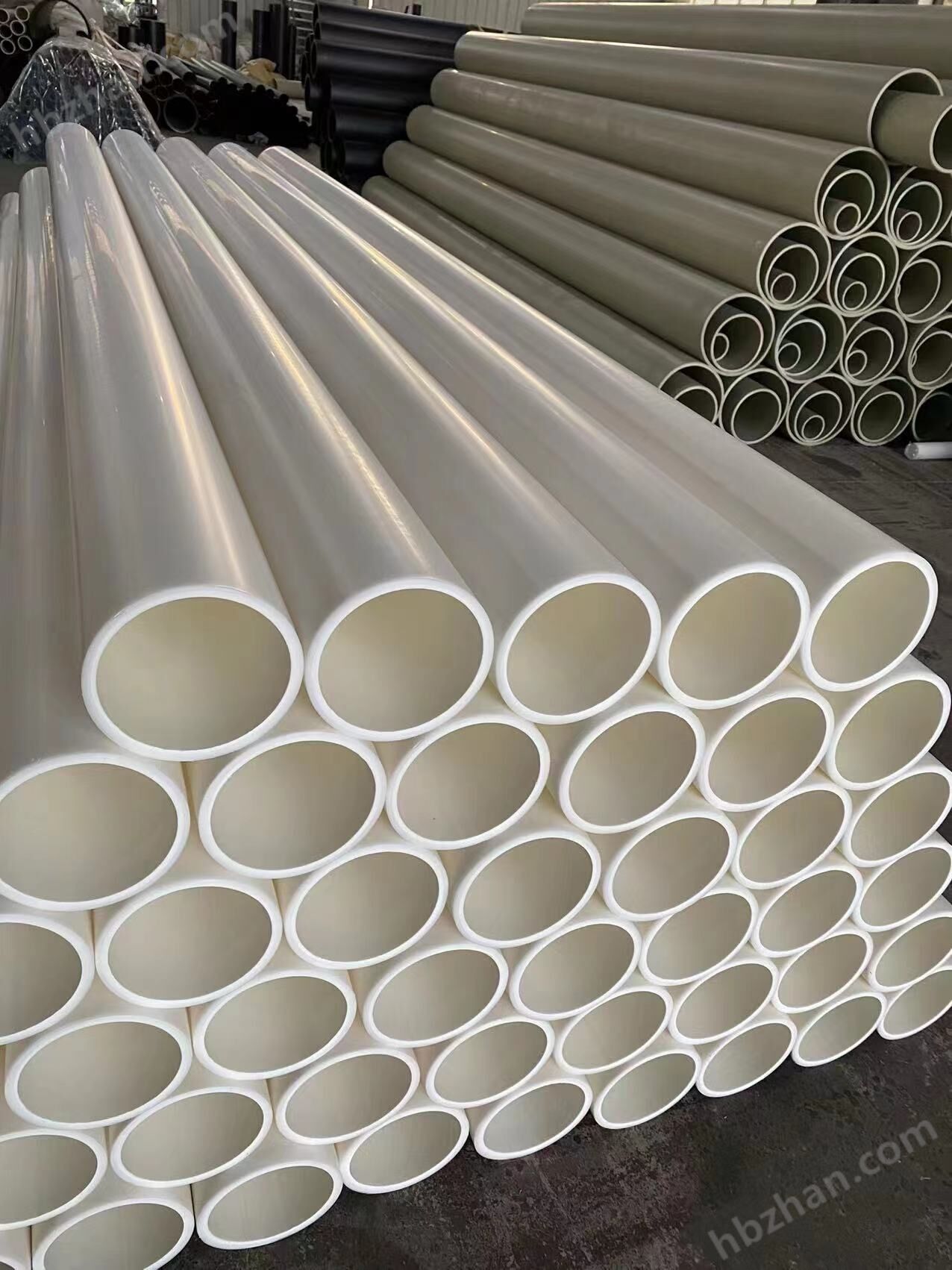
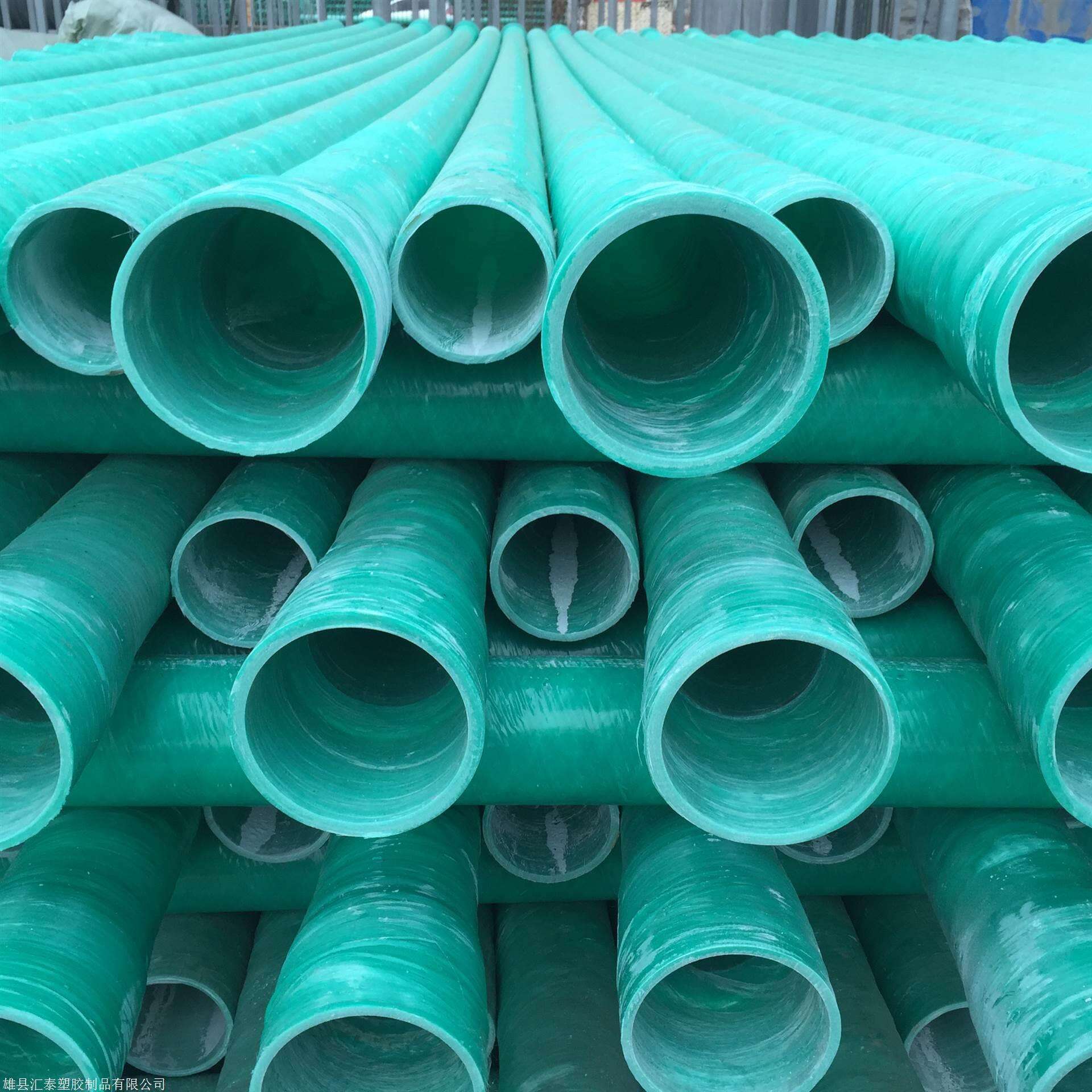
FRPs or Fiber Reinforced Polymers are less prone to corrosion and are more durable than metals, thus can replace metals in a variety of structures and components. Being light, strong and non- condensing, structures will no longer sweat and dispense moisture in the air. They can also be used in below grade and underground structures without the problem of corrosion with ground water and ground water. They serve a wider variety of functions compared to older constructions. As a whole, stairs made of FRPs and stairs components such as railings felt less annoying to use. Using FRPs for railings made for a safer experience and a more confident feeling when walking or climbing stairs. They can be moved with ease which adds to their usefulness in constructions. In signage, FRPs are used to better suspend and balance any kind of weight, still allowing for a visually pleasing and more formal construction. They can be made in any color for constructions. FRPs can be made with mixes of rubber to absorb/ dampen sound which is useful in constructions with elevated trains, around railways and highways, and in support structures with signal lights. Using lightweight, non-condensing rubber, FRPs and construction elements also helps in 'sweating' the structure.

Frequently Asked Questions about FRP for Construction

What are the main advantages of using FRP in construction?

FRP offers numerous advantages, including lightweight properties, high strength, corrosion resistance, and low maintenance requirements. These features make it an ideal choice for various construction applications, enhancing durability and reducing overall project costs.
Unlike traditional materials like steel and concrete, FRP is much lighter, which simplifies transportation and installation. It also resists corrosion, leading to lower maintenance costs and longer service life, making it a more cost-effective solution in the long run.

Related article

How to Improve the Heat Resistance of Plastic-Based FRP?

07

Nov

How to Improve the Heat Resistance of Plastic-Based FRP?

Struggling with thermal limitations in plastic-based FRP? Discover 5 effective strategies to enhance heat resistance, from resin selection to surface treatments. Optimize performance now.
View More
How to Produce High-Quality FRP Products Using Fiberglass?

14

Nov

How to Produce High-Quality FRP Products Using Fiberglass?

Discover the key steps to producing durable, high-performance FRP products using fiberglass. Master material selection, curing, and quality control for aerospace, chemical, and construction industries. Learn more.
View More
Why Is Glassfiber Chopped Strand Mat Used in FRP Moulding?

17

Nov

Why Is Glassfiber Chopped Strand Mat Used in FRP Moulding?

Discover why glassfiber chopped strand mat is essential for FRP moulding: unmatched strength-to-weight ratio, resin compatibility, and cost efficiency. Explore key advantages driving performance across industries. Learn more now.
View More

Customer Feedback on Our FRP Products

John Smith

We used their FRP panels for our new commercial building, and the results were fantastic. The panels not only look great but also have significantly improved our energy efficiency. Highly recommended!

Maria Gonzalez

Their FRP components for our electric vehicles have been a game-changer. We've seen improvements in performance and efficiency, and the durability is unmatched. A great partner to work with!

Get a Free Quote

Our representative will contact you soon.
Email
Mobile/WhatsApp
Name
Company Name
Message
0/1000
Innovative Design Flexibility with FRP

Innovative Design Flexibility with FRP

Our FRP products offer unparalleled design flexibility, allowing architects and engineers to push the boundaries of traditional construction methods. The lightweight nature of FRP enables the creation of intricate designs that would be impossible with conventional materials. This flexibility not only enhances the aesthetic appeal of structures but also allows for innovative solutions that can adapt to various project requirements. Additionally, FRP can be molded into complex shapes and sizes, providing architects with the freedom to explore new design concepts without compromising structural integrity. As a result, our FRP products are increasingly favored in modern architecture, where creativity and functionality must coexist.
Cost-Effectiveness of FRP in Construction Projects

Cost-Effectiveness of FRP in Construction Projects

Investing in FRP materials can lead to significant cost savings over the life of a project. The initial investment may be comparable to traditional materials, but the long-term benefits far outweigh the costs. FRP's resistance to corrosion and environmental degradation means lower maintenance and replacement costs, which can accumulate over time. Furthermore, the lightweight nature of FRP reduces transportation and installation expenses, making it a financially viable choice for construction companies. By choosing our FRP products, clients not only improve the durability of their projects but also enhance their overall profitability through reduced lifecycle costs.