
 EN
EN
 Build a stronger, more competitive product with our value.
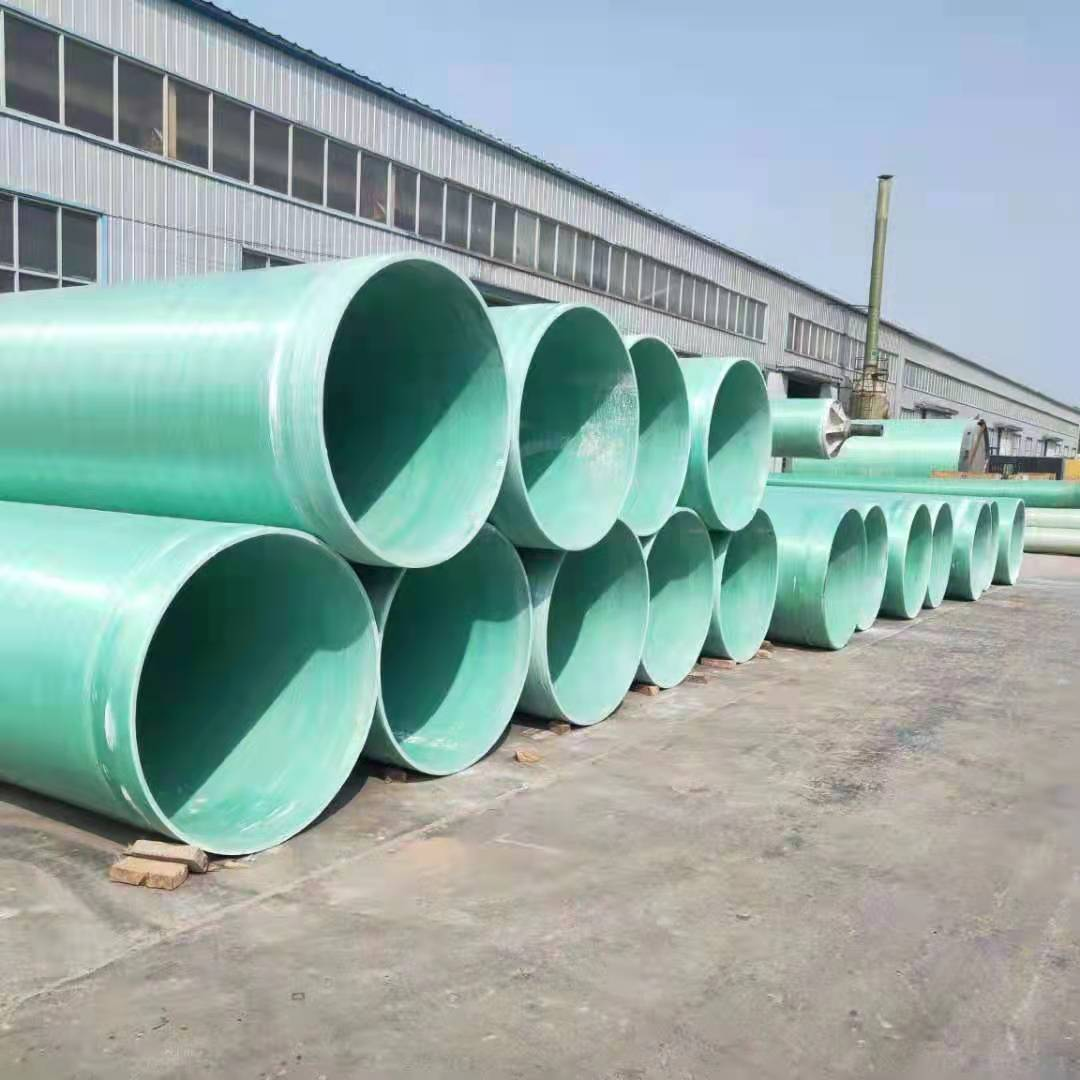
FRP is preferred in fields like chemical manufacturing, oil fields, marine structures, as well as waste water management, due to its resistance to corrosion. In the report 'Fiberglass Industry in First Half of 2025', it has been established that FRP has the best combination of performance and economic value. By using high-performance fiberglass, manufacturers of FRP can better meet the requirements of various corrosive working conditions. Thus, FRP is an ideal solution for businesses that want to mitigate corrosion-related operational risks and costs.
Core Material Properties for Corrosion Resistance
The best feature of FRP is flexibility in corrosive applications and environments and is owing to its construction of fiberglass and resin which gives it a chemical resistance and stability that metals do not have. FRP’s resin matrix is a construction of a molecular matrix that is not reactive and allows it to withstand erosive attacks from chemicals like acids, alkalis, salts and corrosive gases. The fiberglass layer that is part of the composite construction of FRP holds the material together and since it does not crack, the structural integrity is maintained so that there is no deformation of the material even when it is in contact with corrosive fluids for a long time. Unlike a metal pipe, there is no risk of electrochemical corrosion, and therefore, the pitting, and perforation problems that affect affected steel and aluminum pipes in saline and acidic environments are not experienced. The American Petroleum Institute (API) has set and defined the application limitations of FRP materials in oil and gas transport, which is a means to recognize the material’s constructive technical reliability in the corrosive industrial global standards.
Versatility in Working Conditions that are Corrosive
Versatility to different corrosive environments makes the FRP useable in almost all heavy industries. A classic example is the case of FRP (fiber reinforced plastic) pipes located in the northwestern oil fields of China. These fields have produced fluids that are ultra-high in minerals and have highly concentrated levels of CO₂, H₂S, and acidity. In these circumstances, metal pipes will undergo severe pitting and have corrosion levels of over ten mm/year. However, in similar conditions of high temperature, high pressure, and corrosion, the FRP pipes will show little to no structural or operational degradation. At the 2025 China International Composites Expo, industry data indicated the versatility of FRP to also be effective in seawater desalination, where it withstanded the erosive and corrosive conditions of seawater, and also in chemical storage tanks where it was in constant contact with corrosive chemicals. This versatility of FRP makes high temperature chemical reactors and low temperature marine pipelines equally applicable.
Dibersified Protection
An Example of flexibility within FRP is how we can customize design requirements for different industry personalized corrosion protective needs. The flexibility during design is shown through FRP`s various application methods, including winding, molding, and hand lay-up. Also, during design of the FRP, we may choose to combine various fiberglass materials to enhance the structure for optimum anti-corrosive benefits. For instance, to achieve an optimal anti-corrosive performance for chemical pools, we implement a multi-layer structure design to lengthen the penetrating pathway of the corrosive media. Once we identify the type, concentration, and temp of the corrosive media, our industry’s professional technical teams can most quickly and adequately choose a fiberglass grade and a resin system. Therefore the FRP product can be engineered such that it fully coincides with the actual work conditions. This custom design approach, in addition to FRP’s flexibility, is equally important, as it solves the issue of corrosion protective needs of different industries not being addressed through a single material.
Cost Benefits of Corrosion Resistant Materials
FRP has numerous advantages in corrosive environments. Even though the first cost for FRP is higher than for most traditional materials, their long-term cost efficiency results in decreased overall operating costs for facilities in corrosive environments. Industry engineering studies show that maintenance costs of FRP materials are 70% lower than metals because FRP materials do not need rust prevention, cathodic protection, or re-coating anti-corrosive maintenance. Also, because FRP is light and has a high strength to weight ratio, expensive lifting equipment is not necessary for transport and installation, thus, reducing cost in these areas. FRP has competitive prices for the same quality, and long-time users of FRP report that the total life cycle cost is considerably lower than for other traditional corrosion resistant materials, resulting in decreased overall operating costs for the facilities.
What Makes FRP Reliable?
FRP's credibility comes from broad usage consistency in industrial applications. FRP pipes are widely used for the collection and transportation of wastewater. They are exposed to different kinds of pollutants and are not prone to corrosion, leakages, or do the environmental harm of polluting. FRP storage tanks and reactors in the chemical industry have also been standard practice in the industry and are repurchased by customers, demonstrating the stable product quality of the reactors and tanks. The fiberglass industry forecast for 2025 predicts that AI and high-frequency communication will create a demand for specialized fiberglass fabric. This extends the improvement of the corrosion resistance and mechanical properties of FRP to the aerospace and high-precision electronics industries. Non-corrosive applications of the mechanical properties of the FRP are in the end of the line as to where the special offers would be used. Entire process support, from material selection to installation, will be provided to support teams.
Fiberglass reinforced plastics (FRP) is important when it comes to dealing with corrosive environments. This is due to performance and cost-efficient materials. Innovations in fiberglass tech are constantly evolving along with the standards set for the industry. This means FRP will keep expanding for high-corrosive industries and will develop efficient and reliable materials for industrial development globally. Stable quality and professional and technical support will maintain FRP's standing as the first in corrosive applications. This will decrease risk and increase efficient operations for businesses.