
 EN
EN
 Build a stronger, more competitive product with our value.
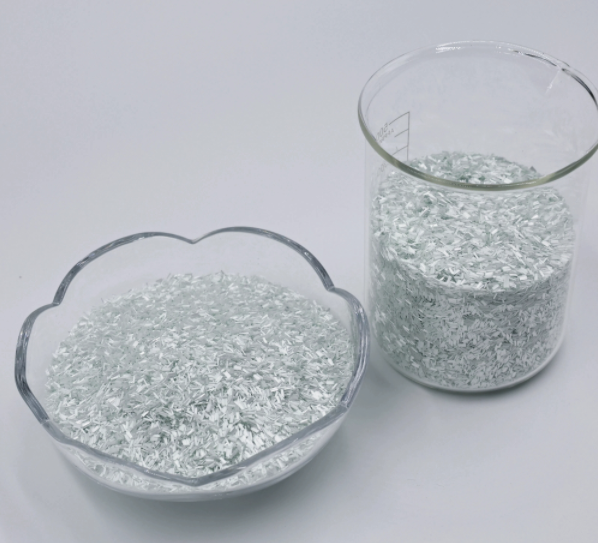
Material Selection Matching Grating Application Scenarios
Fiberglass is the core material for the reinforcement of FRP grating, and its type selection must be highly matched with the actual application scenarios of the grating. For example, in highly corrosive industrial chemical sectors, woven rovings with a dense structure and excellent corrosion resistance, and chopped strands are the best options, as their material characteristics withstand the erosion of acid and alkali media over extended durations. In transportation and infrastructure sectors with high requirements for load-bearing capacity, high-strength chopped strand mat with woven rovings is a good choice to greatly improve the compressive and tensile strength of the FRP grating. Having spent 20 years in the fiberglass industry, it is noticed that the blind choice of high-performance material regardless of the scenario applicable would cause a waste of cost and won’t achieve the best reinforcement effect. For instance, in the light load-bearing electrical and electronic sector, the use of ordinary chopped strands is cemented as a cost-efficient choice supported by extensive market experience.
How Surface Prep Helps Fiberglass and FRP Mats
Preparation of surfaces plays a key role in determining the strength and support of FRP grating substrates and fiberglass reinforcement materials. For starters, the grating surfaces need to be cleaned well of all oil, dust, and loose debris. This is the most important part of prep, as poor prep separates the reinforcement materials from the substrates. Impurities and debris will prevent a strong bond from developing. Additionally, smooth surfaces of grating need to have a roughening/moderate surface treatment. This improves bonding strength and increase the surfaces’ contact. With inadequate surface treatment, delamination of the reinforcement is bound to happen, especially when exposed to high frequency of vibrations and movements as in the case of transport machinery. Surface prep is the assurance that all reinforcement activities will be worthwhile and will fulfill all the expected outcomes of all the functions the reinforcement activities are meant to fulfill.
Scientific Arrangement of Fiberglass Reinforcement Layers
Scientific arrangement of fiberglass reinforcement layers is critical in expressing the mechanical properties of material in the uniform stress of FRP grating. The laying direction of the reinforcement layer should be designed according to the main stress direction of the grating: for the grating bearing vertical load the reinforcement layer is stacked in the vertical and horizontal two directions to create a stable stress network; for the grating bearing oblique load the main reinforcement layer is placed at 45 degrees to the oblique stress direction as that helps in stress dispersion. The number of laying layers is also a function of the load bearing requirement: grating for normal pedestrian use is enough with 2-3 layers of reinforcement whereas grating for heavy vehicle passage areas is expected to be 5-6 layers and use the cross laying technique. In the reinforcement of aerospace supporting FRP grating, the layered arrangement of the method of "woven rovings + chopped strand mat" is used, which enhances the strength of the grating and also helps to keep the weight lower, a solution that is recognized and used in the industry.
Careful Management of Curing Conditions for Reinforcements
Once the fiberglass has been laid and bonded, the subsequent controlling of the fusion process is critical for the final reinforcement effect of the FRP grating, as any deviation can compromise the structural integrity of the reinforcement layer. The ideal curing temperature for fiberglass reinforcement material is between 15 and 25 degrees Celsius. A lower temperature will slow down the curing speed, and the bond strength of the material to the grating will be too weak. Conversely, at higher temperatures the reinforcement layer surface will dry too quickly and create surface cracks. The curing time is to be determined by the thickness of the reinforcement layer. A layer of sufficient thinness can be left for 24 hours to cure at ambient temperatures, whereas the time for thick layers is extended to 48 to 72 hours. It is strongly recommended that grating not be touched or vibrated during this period. It is normal practice to perform the FRP grating reinforcement of outdoor infrastructures in certain weather conditions to include protective measures such as insulation and rain proofs in order to guarantee the curing process and prevent having to do it again.
Commercial Value and Long-Term Maintenance Performance
It's not just about perfecting construction; reinforcement maintenance is vital for sustaining the performance of the grating and maximizing its commercial value. When it comes to reinforced FRP grating, customers should conduct routine use inspections for damage, delamination, or cracks in the reinforcement layer, and repair it promptly using fiberglass materials. In extreme conditions, such as chemical and coastal environments, antifouling maintenance and reinforcement corrosion maintenance should be performed to prolong the grating's service life. Sustained commercial value is based on the principle that academically based fiberglass reinforcement will prolong the life of FRP grating for over thirty years, while lessening the need for maintenance and replacement, and reducing the long term cost burden to the business.Reinforced grating’s enhanced performance and stability can increase operational safety of the entire project and the market competitiveness of the products using FRP grating, a value that has been confirmed by customers in Europe, America, and other foreign markets.