Direct Roving Moulding: High-Strength, Lightweight Composites [2024]

Build a stronger, more competitive product with our value. Build a stronger, more competitive product with our value. Build a stronger, more competitive product with our value. Build a stronger, more competitive product with our value. Build a stronger, more competitive product with our value. Build a stronger, more competitive product with our value. Build a stronger, more competitive product with our value. Build a stronger, more competitive product with our value. Build a stronger, more competitive product with our value. Build a stronger, more competitive product with our value. Build a stronger, more competitive product with our value. Build a stronger, more competitive product with our value. Build a stronger, more competitive product with our value. Build a stronger, more competitive product with our value. Build a stronger, more competitive product with our value. Build a stronger, more competitive product with our value. Build a stronger, more competitive product with our value. Build a stronger, more competitive product with our value. Build a stronger, more competitive product with our value. Build a stronger, more competitive product with our value.
Unlocking the Benefits of Direct Roving Moulding

Unlocking the Benefits of Direct Roving Moulding

Direct roving moulding offers a myriad of advantages that make it a preferred choice in various industries. This innovative process uses continuous strands of glass fibers, which are ideal for creating strong, lightweight, and durable composite materials. The primary advantages include superior mechanical properties, excellent resistance to environmental factors, and cost-effectiveness in large-scale production. Additionally, the versatility of direct roving allows for customization, enabling manufacturers to tailor products according to specific application needs. With its efficient application in sectors like infrastructure, transportation, and aerospace, direct roving moulding stands out as a reliable solution for high-performance materials.
Get A Quote


Successful Applications of Direct Roving Moulding in Diverse Industries

Revolutionizing Infrastructure with Direct Roving Moulding

A leading construction firm adopted direct roving moulding to enhance the durability of their infrastructure projects. By utilizing glass fiber composites, they achieved a significant reduction in weight while improving the strength of structures. The application of this technology allowed for faster construction timelines and lower maintenance costs, ultimately leading to increased project profitability. This case exemplifies how direct roving moulding can transform traditional building methods, making them more efficient and sustainable.

Enhancing Transportation Safety with Direct Roving Moulding

A prominent automotive manufacturer integrated direct roving moulding into their vehicle production line. The lightweight composites produced through this method resulted in improved fuel efficiency and enhanced safety features. The glass fiber materials provided exceptional impact resistance, making vehicles safer in the event of collisions. This strategic implementation not only improved the overall performance of the vehicles but also positioned the manufacturer as an industry leader in safety and innovation.

Advancing Aerospace Technology with Direct Roving Moulding

An aerospace company leveraged direct roving moulding to develop lightweight components for aircraft. The use of glass fibers allowed for significant weight savings, which is critical in aviation to enhance fuel efficiency and reduce emissions. The high strength-to-weight ratio of the composites ensured that the components met stringent safety standards while contributing to the overall performance of the aircraft. This case highlights the transformative impact of direct roving moulding in advancing aerospace technology and sustainability.

Our Cutting-Edge Direct Roving Moulding Solutions

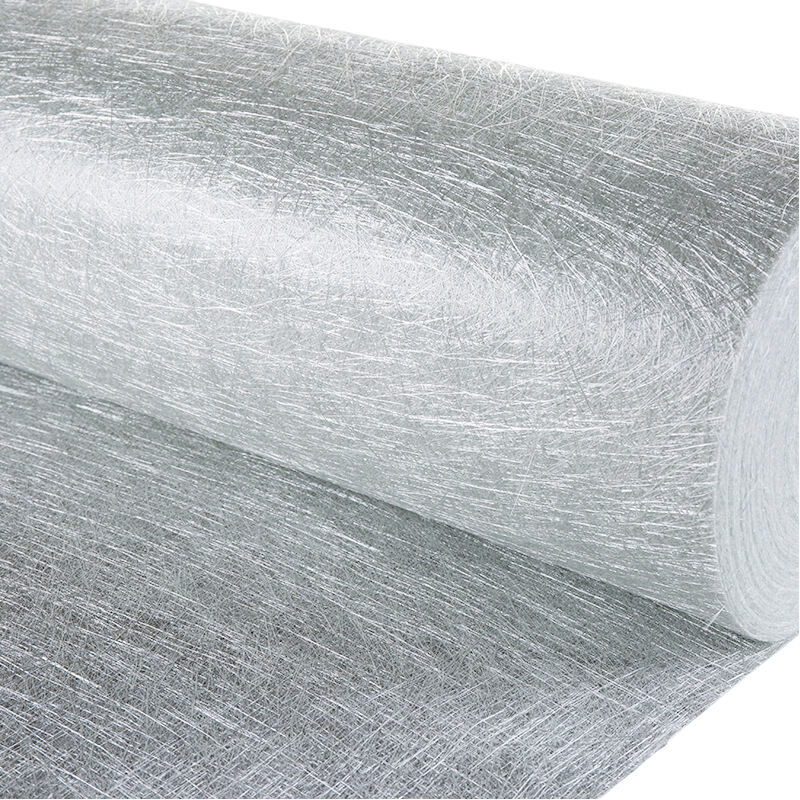
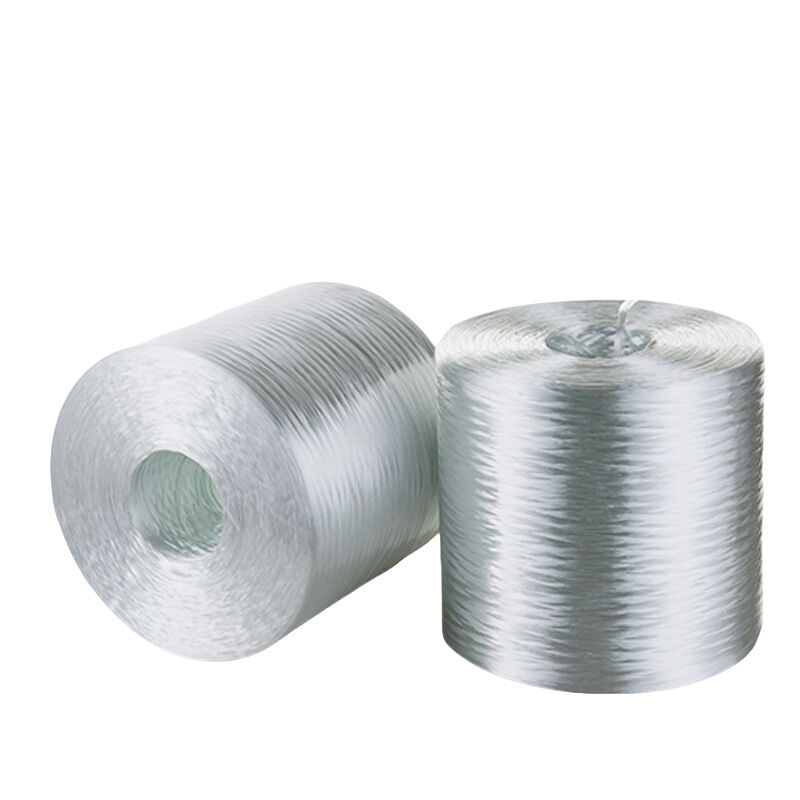
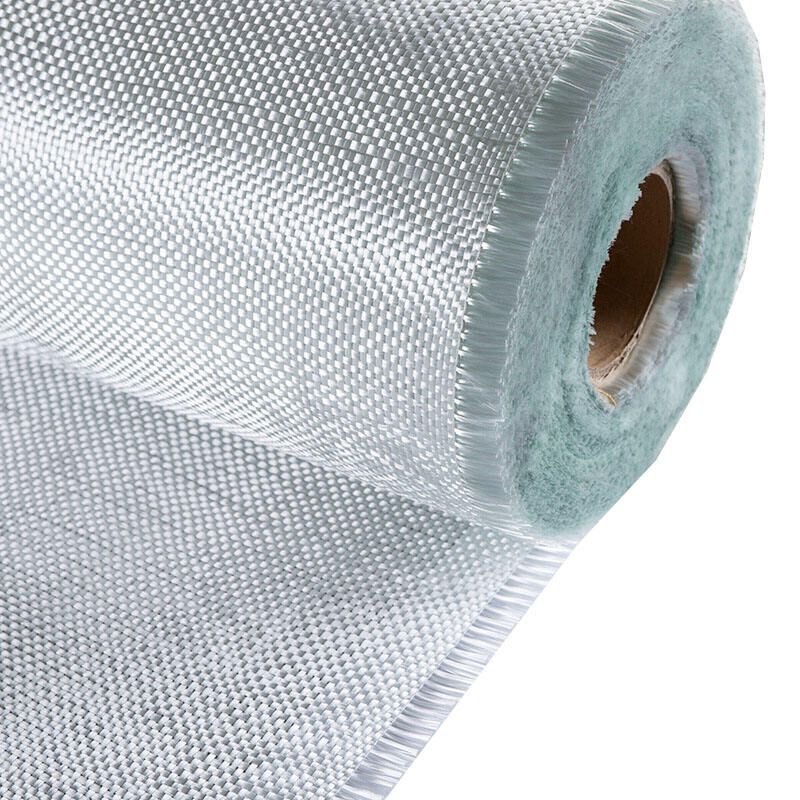
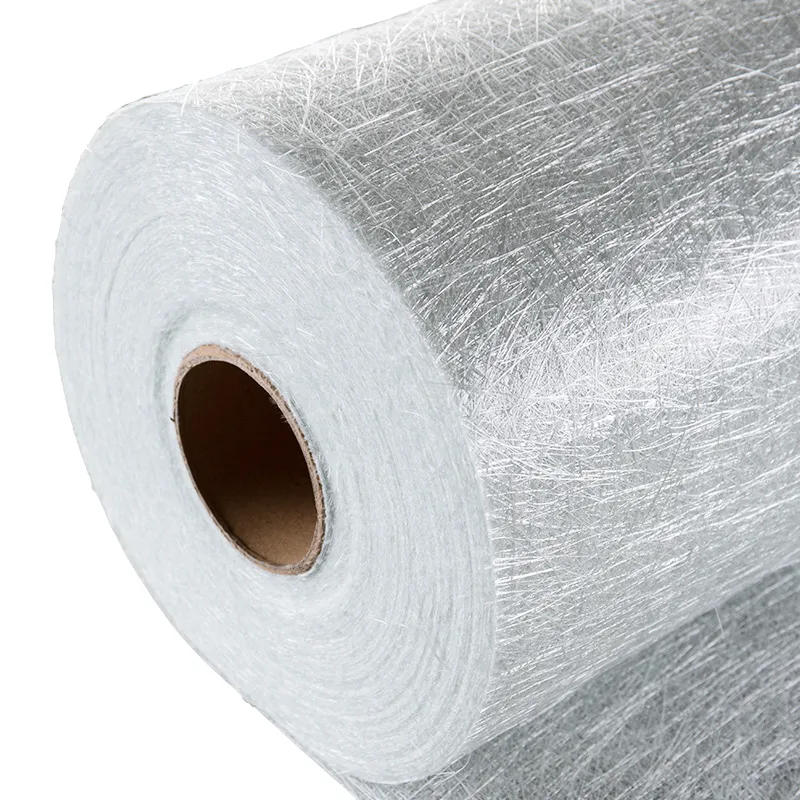
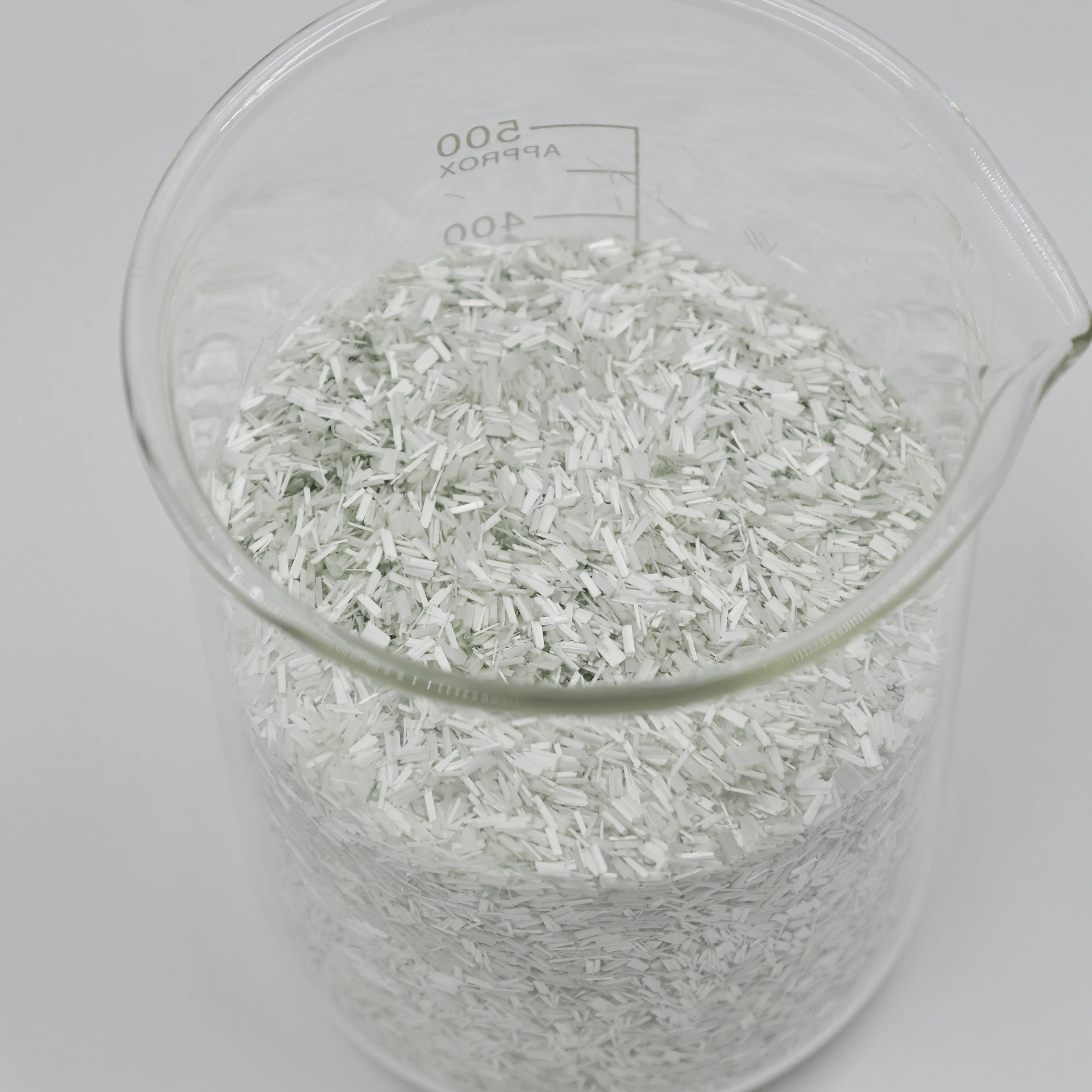
The use of continuous glass fiber strands for producing advanced composite materials is known as Direct Roving Moulding. Our company manufactures the advanced glass fibers necessary for this. To begin the process, quality glass fibers are gathered and the right raw materials are chosen to produce continuous glass fiber strands. These strands are then wound around spools for storage and later use. The efficiency of the Direct Roving Moulding process makes it possible to rapidly manufacture complicated shapes and structures. This process results improvements modern engineered composite materials in the mechanical properties, surface finish, and dimensional accuracy. Our main customer base is in the construction, transportation and aerospace industries which is why we have chosen to focus our production process to the extreme technologic advancements in these industries. Besides advanced manufacturing, we have also focused on customer service. We find the best direct roving molding solutions for each of our customers, which improves customer value. Our customers receive quality assurance, which is a promise in application and shows that every product is made with care and to the highest quality standards.

Frequently Asked Questions About Direct Roving Moulding

What is direct roving moulding and how does it work?

Direct roving moulding is a manufacturing process that uses continuous strands of glass fibers to create composite materials. The process involves feeding these strands into a mould where they are combined with resin to form durable and lightweight products. This method is known for its efficiency and ability to produce complex shapes with high strength-to-weight ratios.
Direct roving moulding is widely used in various industries, including infrastructure, transportation, aerospace, and building materials. Its versatility and strength make it ideal for applications that require durable and lightweight materials, such as automotive parts, aircraft components, and construction materials.

Related article

Why Is Chopped Strand Mat Essential for Moulding Processes?

10

Nov

Why Is Chopped Strand Mat Essential for Moulding Processes?

Discover why chopped strand mat (CSM) is vital for efficient, cost-effective moulding. Enhances strength, resin compatibility, and impact resistance in automotive and marine applications. Learn more.
View More
Why Is Fiberglass Widely Used in SMC Moulding Processes?

11

Nov

Why Is Fiberglass Widely Used in SMC Moulding Processes?

Discover why fiberglass is the top choice for SMC molding—unmatched strength-to-weight ratio, corrosion resistance, thermal stability, and cost efficiency. Learn more now.
View More
Why Is Glassfiber Chopped Strand Mat Used in FRP Moulding?

17

Nov

Why Is Glassfiber Chopped Strand Mat Used in FRP Moulding?

Discover why glassfiber chopped strand mat is essential for FRP moulding: unmatched strength-to-weight ratio, resin compatibility, and cost efficiency. Explore key advantages driving performance across industries. Learn more now.
View More

What Our Clients Say About Direct Roving Moulding

John Smith

The direct roving moulding solutions provided by this company have significantly improved the performance of our construction projects. The materials are lightweight yet incredibly strong, allowing us to build more efficiently. We highly recommend their services!

Sarah Johnson

We have been using direct roving moulding for our aerospace components, and the results have been exceptional. The materials meet our stringent safety standards while reducing weight, which is crucial for our aircraft. Their expertise in this area is unmatched!

Get a Free Quote

Our representative will contact you soon.
Email
Mobile/WhatsApp
Name
Company Name
Message
0/1000
Unmatched Strength-to-Weight Ratio

Unmatched Strength-to-Weight Ratio

One of the most significant advantages of direct roving moulding is its unparalleled strength-to-weight ratio. This attribute is essential in industries such as aerospace and automotive, where reducing weight without compromising strength is critical. The glass fibers used in direct roving moulding provide exceptional tensile strength, making it possible to create components that are both lightweight and incredibly durable. This characteristic not only enhances the performance of the end products but also contributes to improved fuel efficiency and lower emissions in transportation applications. By choosing direct roving moulding, manufacturers can achieve a competitive edge in the market, offering products that meet the demands of modern engineering and sustainability goals.
Versatility Across Multiple Applications

Versatility Across Multiple Applications

Direct roving moulding is renowned for its versatility, allowing it to be utilized in a wide range of applications across various industries. From infrastructure and building materials to transportation and aerospace, the adaptability of this method makes it a preferred choice for manufacturers seeking to innovate. The ability to customize the glass fiber composition and moulding process means that products can be tailored to meet specific performance requirements, whether it is for high-impact resistance in automotive parts or lightweight structures in aerospace. This versatility not only broadens the scope of potential applications but also enables companies to explore new markets and expand their product offerings. By leveraging the unique properties of direct roving moulding, businesses can stay ahead of industry trends and customer demands.