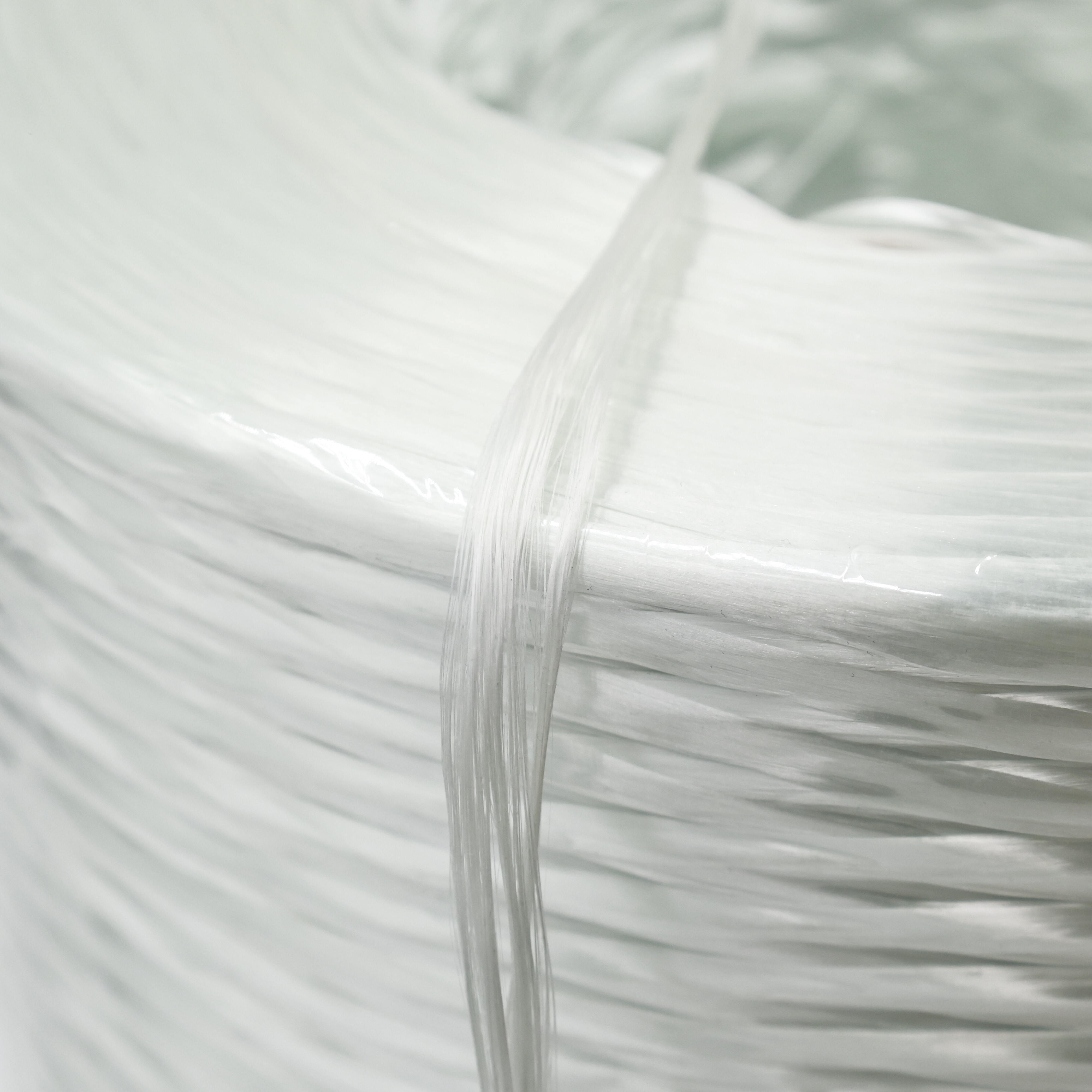
Continuous Roving Solutions for High-Performance Applications

Build a stronger, more competitive product with our value. Build a stronger, more competitive product with our value. Build a stronger, more competitive product with our value. Build a stronger, more competitive product with our value. Build a stronger, more competitive product with our value. Build a stronger, more competitive product with our value. Build a stronger, more competitive product with our value. Build a stronger, more competitive product with our value. Build a stronger, more competitive product with our value. Build a stronger, more competitive product with our value. Build a stronger, more competitive product with our value. Build a stronger, more competitive product with our value. Build a stronger, more competitive product with our value. Build a stronger, more competitive product with our value. Build a stronger, more competitive product with our value. Build a stronger, more competitive product with our value. Build a stronger, more competitive product with our value. Build a stronger, more competitive product with our value. Build a stronger, more competitive product with our value. Build a stronger, more competitive product with our value.
Discover the Advantages of Continuous Roving

Discover the Advantages of Continuous Roving

Continuous roving is a key innovation in the production of glass fibers, offering significant benefits for various industries. This advanced product provides exceptional tensile strength and flexibility, making it ideal for applications in infrastructure, building materials, and aerospace. The continuous nature of the roving ensures uniformity and consistency in production, which translates to enhanced performance and durability. Furthermore, our commitment to technological innovation ensures that our continuous roving meets the highest quality standards, catering to the demanding needs of our international clientele. With a focus on customer satisfaction and honest management, we guarantee that our products will exceed your expectations, providing reliable solutions for your projects.
Get A Quote


Successful Applications of Continuous Roving in Diverse Industries

Reinforcing Infrastructure with Continuous Roving

In a recent infrastructure project, our continuous roving was utilized in the construction of a high-strength composite bridge. The lightweight yet durable properties of the roving allowed for a significant reduction in material costs while enhancing the overall structural integrity. Engineers reported improved load-bearing capabilities and resistance to environmental factors, showcasing the versatility and strength of our product.

Enhancing Aerospace Components with Continuous Roving

Our continuous roving was selected for an aerospace manufacturer aiming to reduce weight while maintaining high performance. By incorporating our advanced glass fibers into their components, they achieved a remarkable 20% reduction in weight without compromising safety or reliability. This application highlights the exceptional strength-to-weight ratio of our continuous roving, making it a preferred choice for aerospace applications.

Transforming Building Materials with Continuous Roving

A leading building materials company integrated our continuous roving into their composite panels. The result was a significant enhancement in thermal insulation and fire resistance properties. This innovation not only improved the performance of their products but also positioned them as a market leader in sustainable building solutions, demonstrating the adaptability and effectiveness of our continuous roving.

Related products

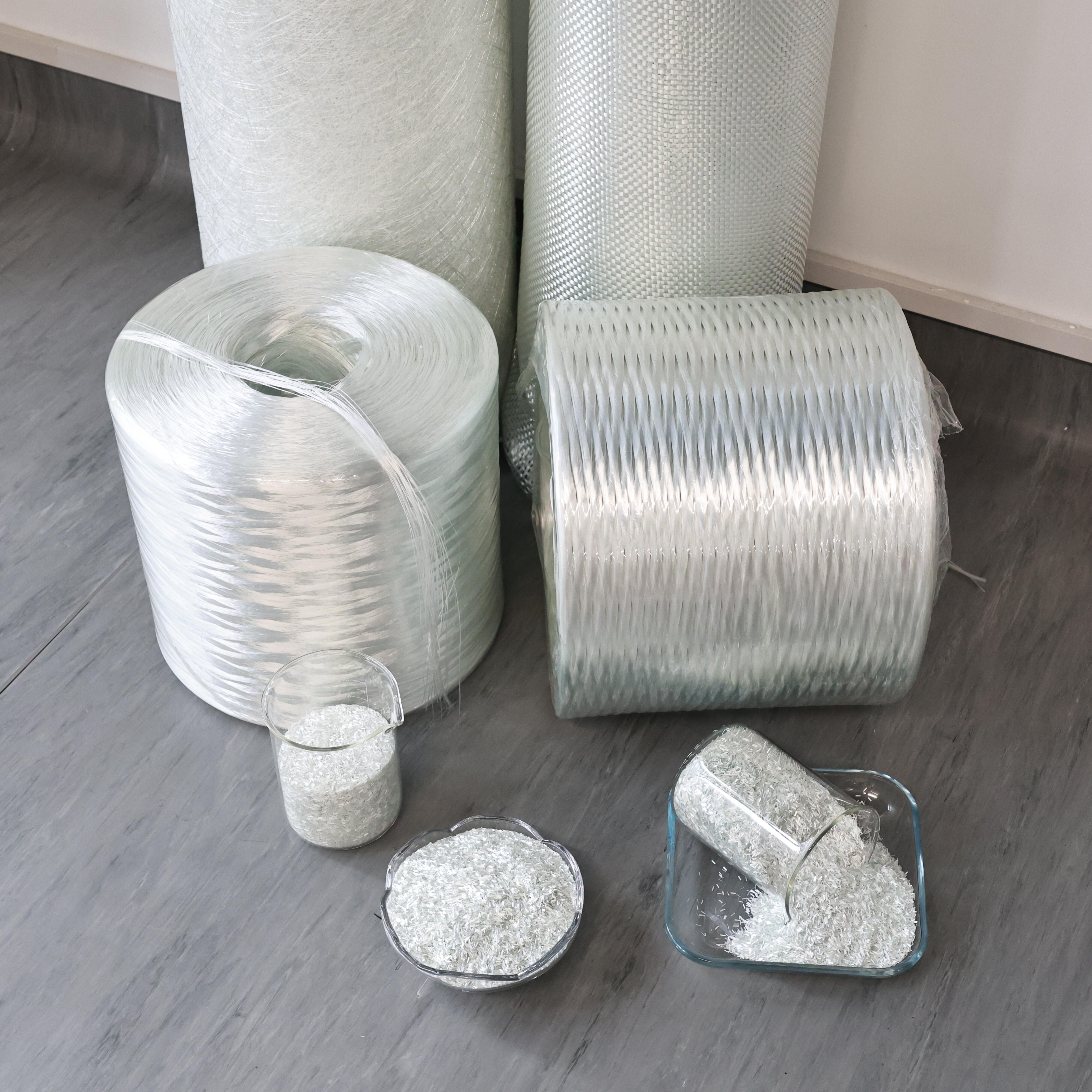
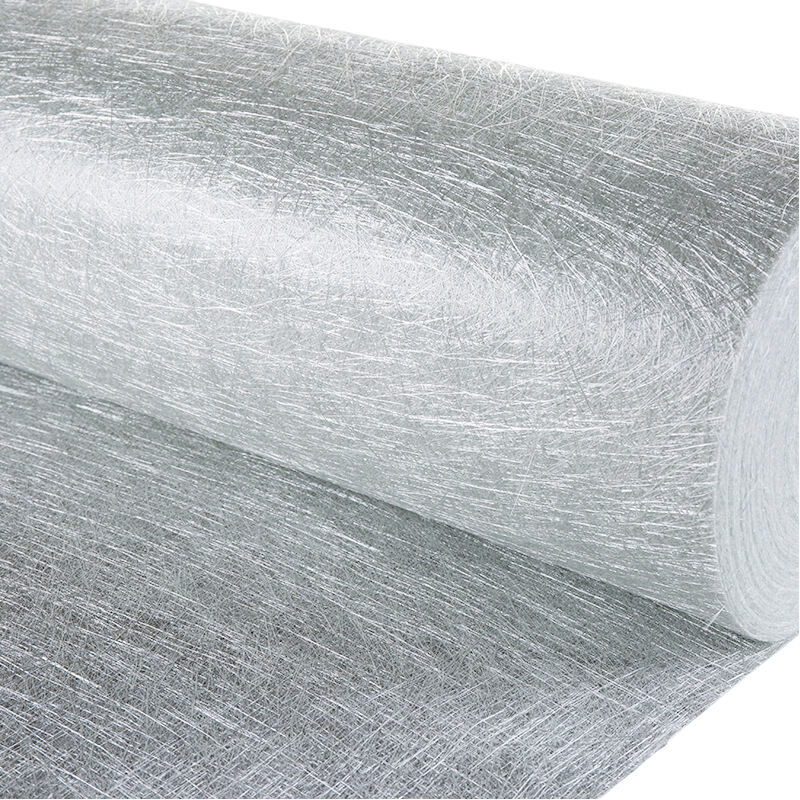
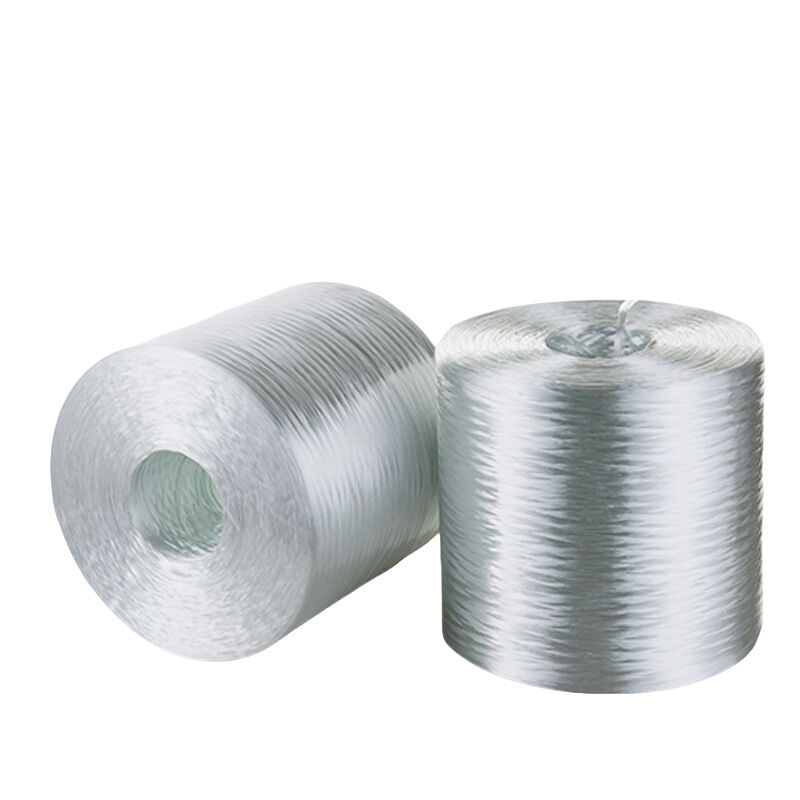
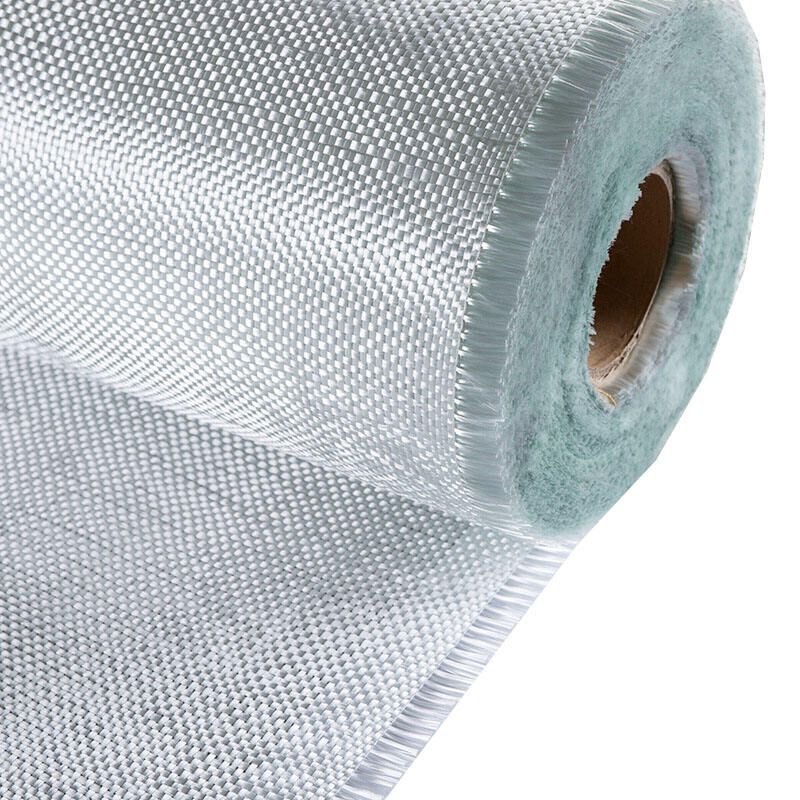
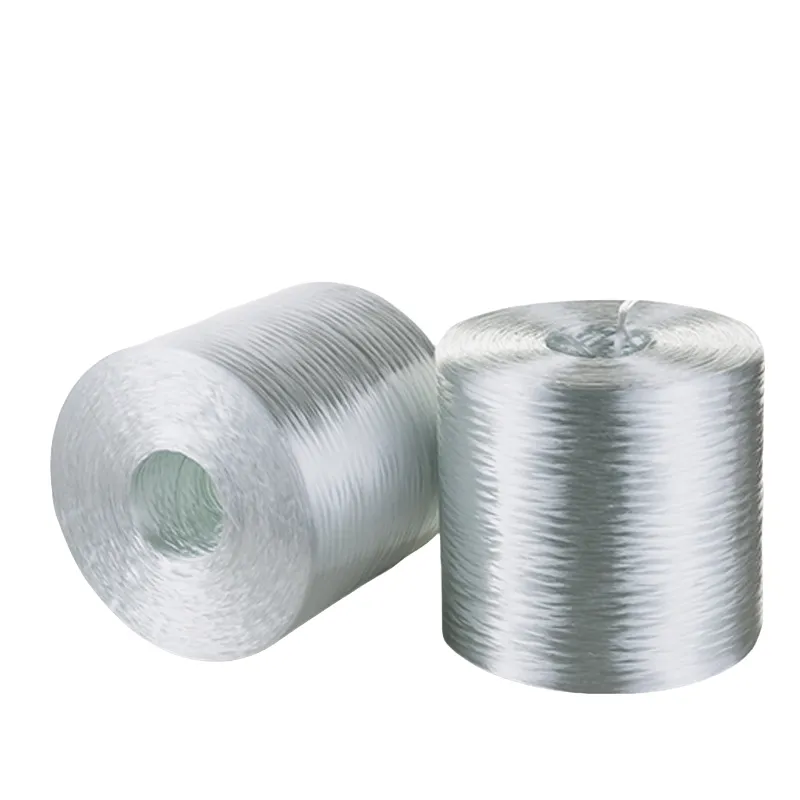
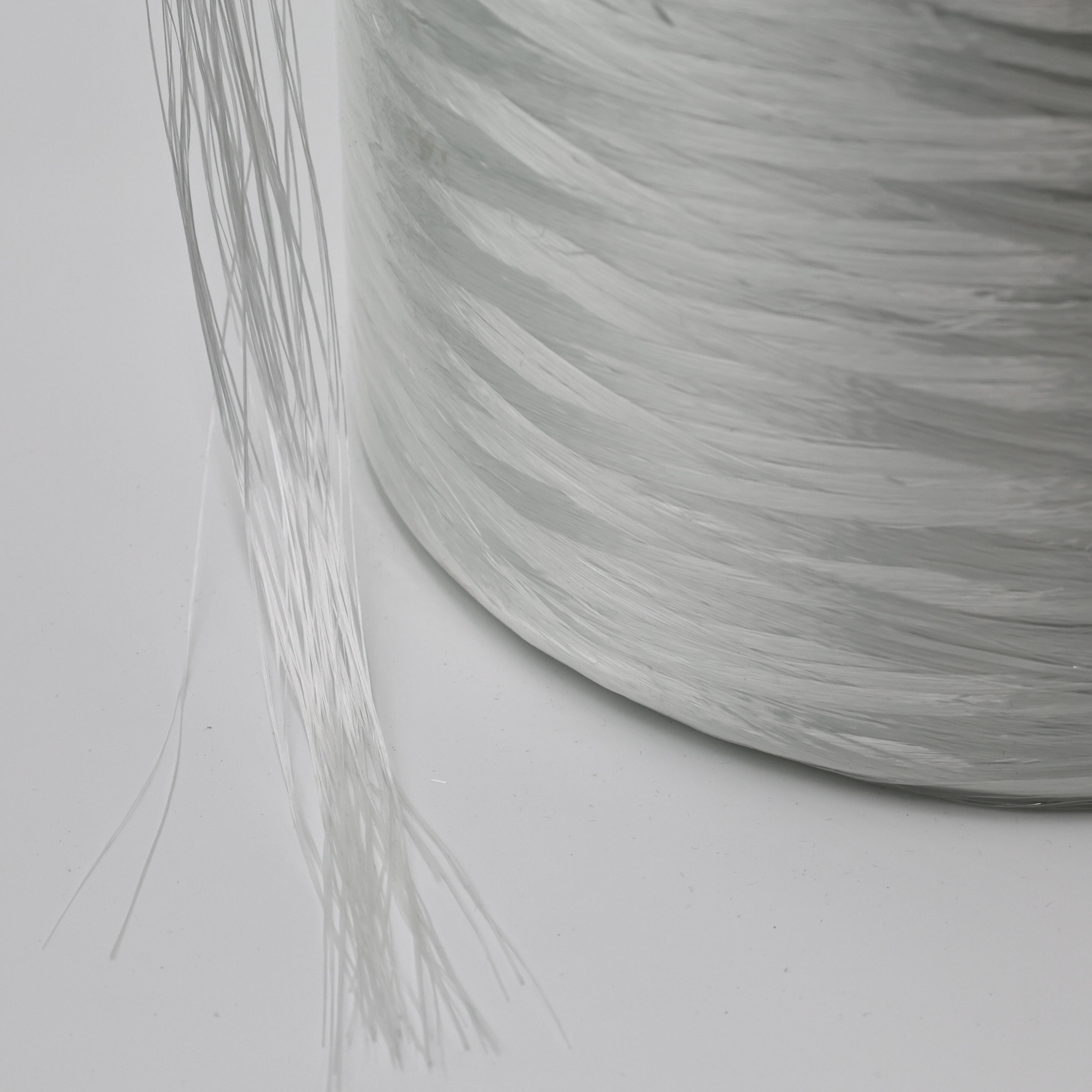
Continuous fiberglass roving is produced using a uniquely designed process called continuous filament. This innovative manufacturing process produces long glass fibers that can be used in many different fields, including construction and aerospace. We manufacture continuous roving using the latest technologies available in the market and continue to meet the required international quality standards. To produce continuous roving, raw glass is first melted and then fibers are drawn. The fibers are then wound around a bobbin to keep them organized for different use. When the fibers are wound into a strand, the fiberglass roving produced has excellent tensile strength and is very flexible and resistant to a number of chemicals; properties very useful in the aggressive work environments. Lightweight construction materials lower the cost of transportation and construction. We make continuous roving which is of high quality and helps conserve the environment by reducing the carbon footprint and supporting the most eco-friendly construction processes. We continue to grow in international markets and will continue to meet the diverse and different customer expectations. This differentiated approach helps every customer improve their operational efficiency and get the desired business outcomes.

Frequently Asked Questions about Continuous Roving

What is continuous roving and how is it used?

Continuous roving is a type of glass fiber that is produced in long, continuous strands. It is commonly used in composite materials for applications in construction, aerospace, and automotive industries due to its high strength and lightweight properties.
The use of continuous roving in construction provides enhanced tensile strength, flexibility, and durability. It contributes to lighter structures, reduces material costs, and improves overall performance, making it an ideal choice for modern construction projects.

Related article

Why Should You Choose Specific Roving for SMC Processes?

29

Oct

Why Should You Choose Specific Roving for SMC Processes?

Maximize strength and efficiency in SMC processes with the right roving. Discover how fiber selection impacts performance, durability, and ROI. Learn more now.
View More
How to Select the Right Direct Roving for Filament Winding?

31

Oct

How to Select the Right Direct Roving for Filament Winding?

Struggling to select the best direct roving for filament winding? Discover key factors like tensile strength, resin compatibility, and cost-efficiency. Get your free material selection checklist.
View More
What Is Woven Roving and Its Role in FRP Reinforcement?

06

Nov

What Is Woven Roving and Its Role in FRP Reinforcement?

Discover how woven roving enhances FRP strength, durability, and flexibility. Learn about its properties, manufacturing, and top applications in composites. Read more.
View More

Customer Feedback on Continuous Roving

John Smith

The continuous roving we sourced from this company has significantly improved our product quality. The tensile strength and flexibility are unmatched, allowing us to innovate in our designs. Highly recommend!

Sarah Johnson

Integrating continuous roving into our aerospace components has been a game changer. We've seen a reduction in weight without sacrificing safety. This product has truly elevated our manufacturing process.

Get a Free Quote

Our representative will contact you soon.
Email
Mobile/WhatsApp
Name
Company Name
Message
0/1000
Superior Strength and Durability

Superior Strength and Durability

Continuous roving offers exceptional strength and durability, making it an ideal choice for applications that require high-performance materials. Its ability to withstand extreme conditions ensures longevity and reliability in various environments. The continuous filament structure provides uniformity, reducing the risk of weak points in the final product. This characteristic is particularly beneficial in industries such as construction and aerospace, where safety and structural integrity are paramount. The lightweight nature of continuous roving also contributes to energy efficiency, making it a sustainable option for manufacturers looking to reduce their carbon footprint.
Versatile Applications Across Industries

Versatile Applications Across Industries

The versatility of continuous roving allows it to be used in a wide range of applications, from building materials to automotive parts. Its adaptability makes it suitable for various manufacturing processes, including pultrusion, filament winding, and resin infusion. This flexibility enables manufacturers to innovate and create customized solutions that meet specific performance requirements. Additionally, as industries evolve and demand for high-performance materials grows, continuous roving stands out as a reliable choice for companies aiming to stay competitive in the market.