 Build a stronger, more competitive product with our value.
Build a stronger, more competitive product with our value.
Build a stronger, more competitive product with our value.
Build a stronger, more competitive product with our value.
Build a stronger, more competitive product with our value.
Build a stronger, more competitive product with our value.
Build a stronger, more competitive product with our value.
Build a stronger, more competitive product with our value.
Build a stronger, more competitive product with our value.
Build a stronger, more competitive product with our value.
Build a stronger, more competitive product with our value.
Build a stronger, more competitive product with our value.
Build a stronger, more competitive product with our value.
Build a stronger, more competitive product with our value.
Build a stronger, more competitive product with our value.
Build a stronger, more competitive product with our value.
Build a stronger, more competitive product with our value.
Build a stronger, more competitive product with our value.
Build a stronger, more competitive product with our value.

One of the most important properties of glassfiber, and the one that most improves the performance of the FRP products, is the glassfiber strong weight to weight ratio. When compared to steel, glassfiber is much lighter despite having the same strength. This property allows FRP products to retain their structural strength without overall increasing the weight of the products. This makes FRP products applicable for various uses. This is especially true in the transportation sector where the weight of glassfiber reinforced FRP components improves fuel consumption and emission profiles of the vehicle. Similarly, in aerospace, the weight of the glassfiber helps to meet the weight requirements which is a critical against the necessary strength and safety in the glassfibers. This flexible glassfiber properties improves not only the functional performance of these FRP products, but it is also extends the possible applications where high strength to weight ratios is needed.Superior Corrosion Resistance
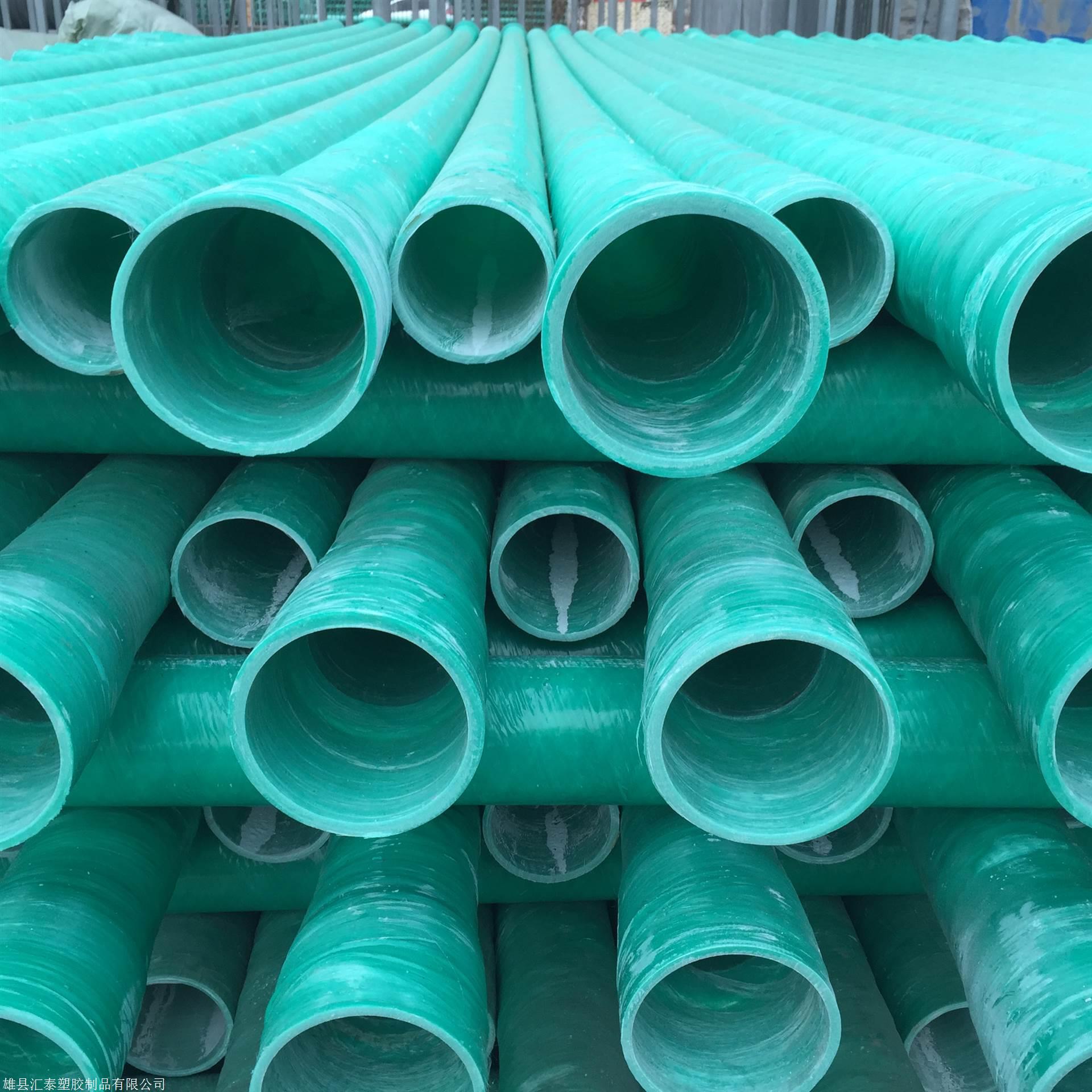
The ability of glass fiber to resist corrosion helps to provide important attributes to FRP products. Metals will rust or degrade when moisture, chemicals, or other harsh conditions are present. However, glass fiber stays unaffected. This glass fiber corrosion resistant ability makes FRP products useful to the chemical sector and to infrastructure projects, like bridges and pipelines, that are outdoors and face harsh moisture. Products made of FRP provide corrosion resistant abilities by having long service lives. This helps cut down the need for replacements and maintenance. For companies, this means dependable operations, and lower long-term expenses, given that the downtime and high costs associated with corroded equipment are no longer a problem.
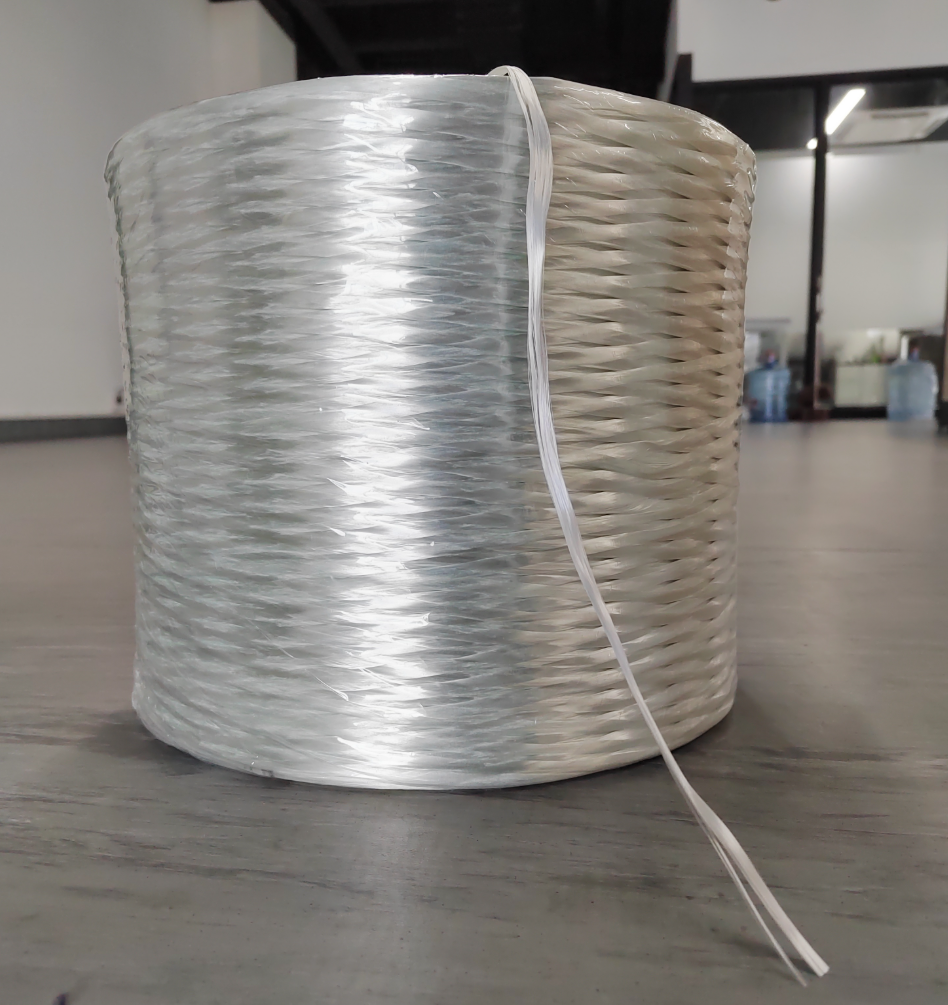
Due to its great electrical insulation properties, glassfiber is one of the company's preferred materials for FRP products for the electrical and electronic sector. It completely blocks the flow of electricity, and is therefore safe and dependable for electrical components and systems. FRP products that use glassfiber reinforcement offer critical electrical insulation for the manufacture of electrical enclosures, insulators, and circuit board substrates. This property not only prevents electrical faults and impacts, but also guarantees the reliable operation of electrical equipment in extreme environmental conditions. This is very crucial for electricity-dependent sectors as it results in great operational efficiency and less overhead in maintenance.
One out of countless positive attributes of fiberglass is its adaptability. Glassfiber is easy to manipulate into whatever shape is needed. This allows manufacturers to construct fiberglass reinforced plastics to the exact specifications of all types of industries for all kinds of uses. Glassfiber adapts to the needs of the design, whether it be the curved, sleek, precise surfaces of an aerospace component, the delicate, detailed molded parts of an item for sporting leisure, or the custom formed elements needed for construction. This expands the scope of design even further for a manufacturer. Other manufacturers, therefore find themselves able to offer personally molded designs to their target market. This heights the satisfaction for the manufacturers customers, and makes the market of the manufacturers more competitive.
Glassfiber is a staggering material that performs exceptionally well for every dollar spent. This also makes products made from fiberglass reinforced plastic products (FRP) highly economical. In terms of glassfiber products, the price is on the lower end of the spectrum compared to competing high-performance products. Furthermore, the durability, low maintenance requirements, and resistance to corrosion of glassfiber supports low maintenance requirements. In the long-run, products made from glassfiber FRP's lifetimes exceeds that of traditional materials and this saves money that would cost to replace the product. In addition, because glassfiber is lightweight, the costs for transportation and installations is also reduced because less time and resources are spent to handle and set up the products. This glassfiber makes FRP's cost economically accessible to a plethora of industries. Ranging from small enterprises to large scale businesses, fiberglass products allow them to manage their costs and still obtain high-performance products.
In various applications, quality consistency stands as one of the most crucial advantages of glassfiber—directly enabling FRP products to maintain reliable performance. For glassfiber, reputable suppliers with strict quality control standards regulate every aspect of the production process, ensuring consistent quality and stable characteristics of the glassfiber itself.
This rigorous production oversight allows both suppliers and manufacturers to deliver glassfiber products and composites that retain predictable, controllable performance. The sustained individual performance of glassfiber also supports the structural integrity of end products, further reinforcing their reliability. By upholding stable quality in every batch, glassfiber suppliers provide reliable guarantees to co-producers and end customers alike.
For customers, performance reliability is paramount—and glassfiber’s inherent quality consistency is what makes this reliability possible. Whether used in industrial components, construction materials, or other applications, glassfiber’s consistent performance ensures FRP products meet the high standards customers demand, making it an indispensable material for manufacturers focused on delivering dependable solutions.
FRP products value performance by complimenting the products with the technical support the suppliers offer. The suppliers’ technical support teams assess customers’ needs and advise the customer on the optimal glassfiber grade to choose for the application; moisture barrier performance of the glassfiber reinforced polyester (FRP) products is verified. Ultimately, customers can fine-tune the performance of the FRP products without incurring the cost of over-designed materials. Suppliers also provide the customers with glassfiber technical support; customers can receive suggestions around products to help the customers add value and provide improvement innovations. Businesses can improve their performance and competitiveness by investing in FRP products complemented with technical support of glassfiber and fibreglass.

 EN
EN